Do Posture Correctors Actually Work? An Evidence-Based Approach
Understanding Posture Correctors
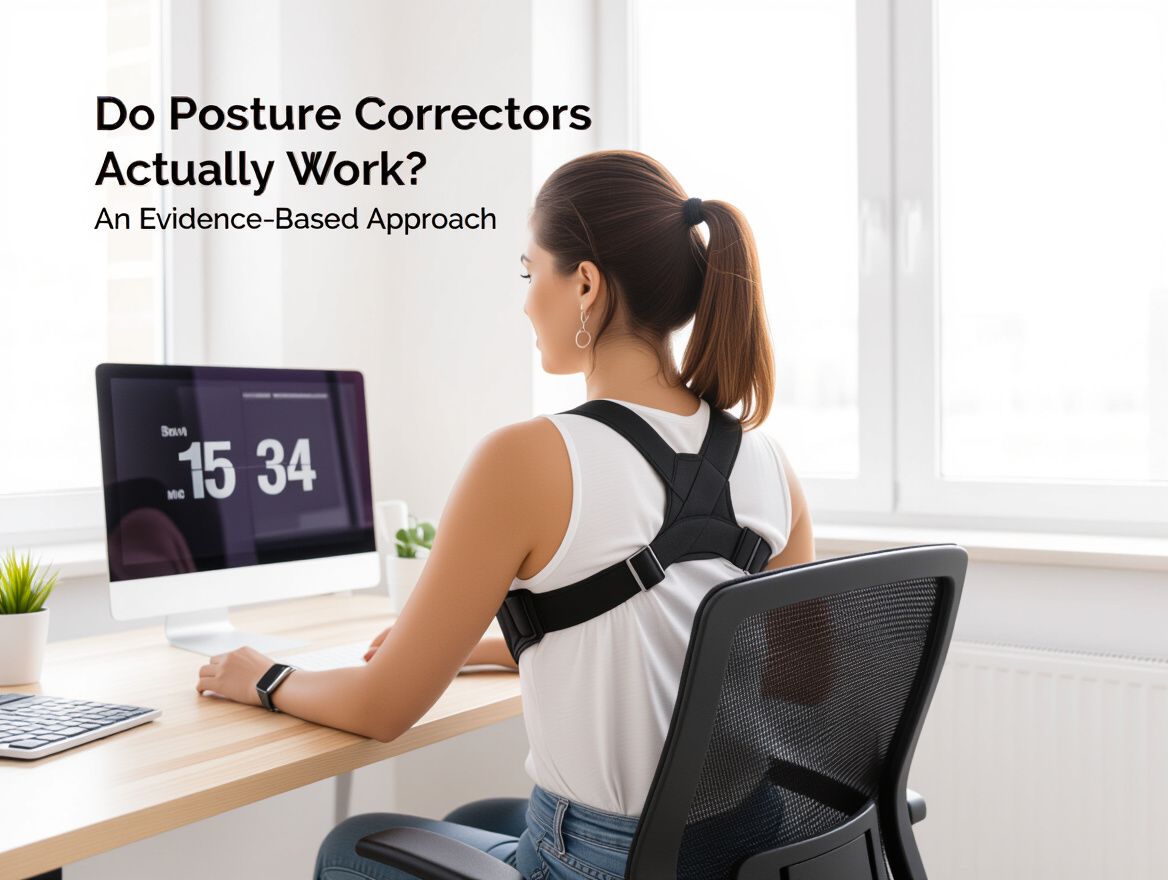
Posture correctors are devices designed to help individuals maintain proper alignment of their spine and shoulders. They serve as a physical reminder to promote better posture, which can be particularly beneficial for those who spend long hours sitting or standing. The goal is to reduce strain on the musculoskeletal system and alleviate discomfort associated with poor posture.
Common Types of Posture Correctors
There are various types of posture correctors available, each designed for different needs:
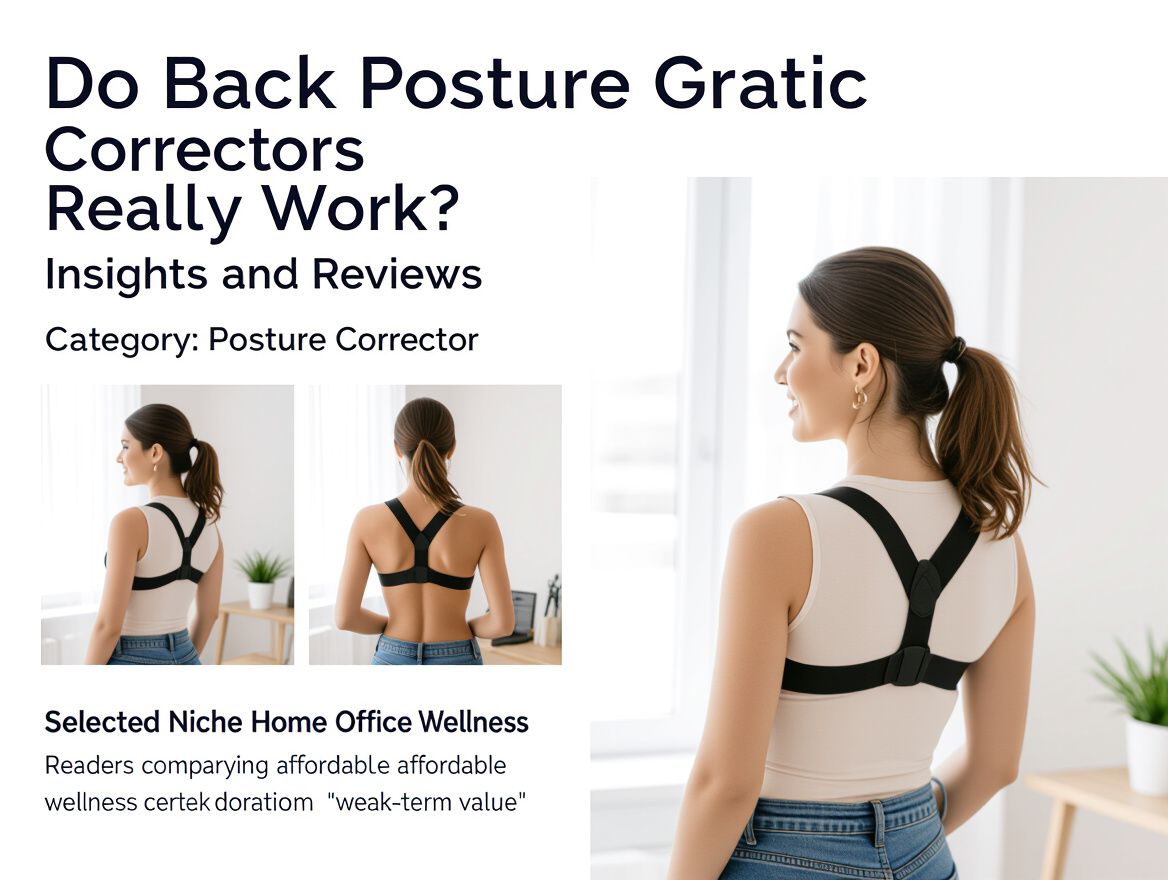
- Braces: Often made from elastic materials, these provide support and are typically worn over clothing.
- Straps: These are adjustable and can be worn under clothing, helping to pull the shoulders back.
- Posture Trainers: These may include electronic devices that vibrate or alert the user when they slouch.
Growing Popularity and Market Trends
The increasing awareness of the importance of good posture for overall health has contributed to the rising popularity of posture correctors. Many consumers are seeking solutions to combat the negative effects of sedentary lifestyles and prolonged screen time, leading to a diverse market filled with options. However, it’s essential to understand that while these devices can assist in improving posture, they are not a cure-all and should ideally be part of a broader approach that includes exercises and ergonomic adjustments.
Do Posture Correctors Work? Evidence and Analysis
Evaluating the effectiveness of posture correctors requires a look at existing scientific studies and user experiences. Research indicates that while posture correctors may offer short-term benefits in improving posture, their long-term effectiveness is less clear.
Summary of Scientific Research Findings
- Short-Term Improvement: Several studies suggest that posture correctors can provide immediate benefits by promoting better alignment and reducing slouching. Users often report feeling more aware of their posture while wearing these devices.
- Limited Long-Term Benefits: Evidence is mixed regarding the sustained improvement of posture over time. Some individuals may revert to poor posture habits once the corrector is removed, indicating a dependency on the device.
Short-Term vs. Long-Term Effectiveness
- Short-Term Use: Many users experience noticeable changes in their posture during the initial weeks of use. This can lead to reduced discomfort in the back and neck regions.
- Long-Term Use: Continuous reliance on posture correctors may not lead to lasting improvements. Users could develop a dependency, meaning they might struggle to maintain good posture without the device.
Factors Influencing Effectiveness
- User Compliance: The effectiveness of posture correctors heavily relies on how consistently users wear them. Regular use is essential for achieving any noticeable benefits.
- Individual Differences: Factors such as body type, existing posture habits, and the specific type of posture corrector can influence outcomes. Some individuals may find certain designs more comfortable or effective than others.
- Complementary Practices: Incorporating exercises that strengthen core muscles and improve flexibility can enhance the benefits of posture correctors. Relying solely on the device may not yield optimal results.
In summary, while posture correctors can be a helpful tool for improving posture in the short term, their long-term effectiveness is contingent upon consistent use and a holistic approach to posture improvement. Understanding these nuances can aid individuals in making informed decisions regarding their use.
Potential Benefits of Using Posture Correctors
Posture correctors can offer several advantages for individuals seeking to improve their posture and overall health. Understanding these benefits can help you make an informed decision regarding their use.
-
Improved Posture and Spinal Alignment: Posture correctors are designed to promote better alignment of the spine, which may lead to a more upright posture. This can be particularly beneficial for those who spend long hours sitting at desks or engaged in activities that promote slouching.
-
Reduction in Back and Neck Pain: Many users report a decrease in discomfort associated with poor posture. By encouraging proper alignment, posture correctors may help alleviate strain on the back and neck, potentially leading to a reduction in chronic pain over time.
-
Enhanced Productivity and Comfort During Work: Improved posture can contribute to increased comfort while working, which may enhance focus and productivity. When the body is aligned correctly, it can lead to less fatigue and discomfort, allowing for longer periods of concentrated work.
While these benefits can be appealing, it is crucial to consider the limitations and potential drawbacks of posture correctors as well. Balancing these factors will help ensure that you choose the right approach for your posture improvement journey.
Limitations and Risks of Posture Correctors
While posture correctors can offer temporary benefits, they come with several limitations and risks worth considering before making a purchase. Understanding these factors can help you make a more informed decision about whether a posture corrector is the right solution for your needs.
-
Temporary Relief vs. Long-Term Solutions: Many users find that posture correctors provide immediate relief from discomfort associated with poor posture. However, they are not a substitute for long-term solutions such as physical therapy or exercises that strengthen core muscles. Relying solely on a device may prevent individuals from addressing the underlying causes of their posture issues.
-
Possible Dependency on the Device: There is a risk of becoming dependent on posture correctors, which can lead to weakened muscles over time. If individuals become accustomed to wearing the device, they may neglect to develop the muscular strength necessary to maintain good posture without assistance. This dependency can hinder progress in achieving a naturally aligned posture.
-
Discomfort or Skin Irritation Issues: Some users report discomfort or skin irritation when wearing posture correctors, particularly if they are worn for extended periods. This can discourage consistent use and limit the effectiveness of the device. It's essential to choose a corrector made from breathable materials and to follow recommended usage guidelines to minimize these issues.
By weighing these limitations and risks against the potential benefits, you can better assess whether a posture corrector aligns with your health and wellness goals.
Key Considerations Before Buying a Posture Corrector
When exploring whether posture correctors are a suitable investment for improving posture and overall health, it’s essential to evaluate several key factors. Understanding these criteria can help ensure that you select a product that meets your specific needs.
-
Size and Fit:
- Ensure the posture corrector accommodates your body type. A proper fit is crucial for effectiveness; a corrector that is too tight may cause discomfort, while one that is too loose may not provide the necessary support.
- Look for adjustable options that can be modified for a snug fit, particularly if you are between sizes or want to accommodate changes in weight.
-
Material and Comfort Level:
- Consider the materials used in the posture corrector. Breathable fabrics can enhance comfort, especially if you plan to wear it for extended periods.
- Check for any potential skin sensitivities to materials like neoprene or nylon, which can cause irritation for some users.
-
Adjustability and Ease of Use:
- Evaluate how easy the posture corrector is to put on and take off. Some designs may be more user-friendly than others, which can be a significant factor if you plan to use it frequently.
- Look for features like adjustable straps or hook-and-loop closures that allow for quick adjustments throughout the day.
By considering these factors, you can make a more informed decision about whether a posture corrector is the right choice for you, ultimately enhancing your posture and well-being.
Frequently Asked Questions About Posture Correctors
As you consider whether posture correctors are the right choice for improving your posture and overall health, it's natural to have questions. Here are some common inquiries that can help clarify their use and effectiveness.
How long should I wear a posture corrector?
Most experts recommend starting with short durations, such as 15 to 30 minutes a day, gradually increasing the time as your body adjusts. Wearing a posture corrector for extended periods may lead to dependency, where your muscles weaken instead of strengthening. It's essential to listen to your body and consult with a healthcare professional for personalized guidance.
Are there exercises that complement posture correctors?
Yes, combining posture correctors with specific exercises can enhance their effectiveness. Strengthening exercises for the back, shoulders, and core can help improve posture over time. Stretching tight muscles, such as the chest and hip flexors, is also beneficial. Incorporating activities like yoga or Pilates can promote overall body alignment and flexibility.
Who should avoid using posture correctors?
Individuals with certain conditions, such as severe spinal deformities or chronic pain, should consult a healthcare provider before using posture correctors. Additionally, those who have recently undergone surgery or have underlying health issues may find posture correctors unsuitable. It's crucial to assess your specific situation and seek expert advice to ensure safety and efficacy.
Final Thoughts on Posture Correctors
In summary, posture correctors can offer potential benefits for individuals seeking to improve their posture and alleviate discomfort associated with poor alignment. The evidence suggests that while these devices may provide temporary support and reminders to maintain good posture, their effectiveness can vary significantly based on individual needs and circumstances.
Key Considerations:
- Effectiveness: The effectiveness of posture correctors largely depends on the type of device and the user's commitment to consistent use. Some users report improvements in posture, while others may experience minimal benefits.
- Personal Needs: It is essential to consider your specific posture-related issues and lifestyle when evaluating posture correctors. Consulting with a healthcare professional can provide personalized insights and recommendations tailored to your situation.
- Trade-offs: While posture correctors can help in the short term, relying solely on them without addressing underlying causes of poor posture—such as muscle imbalances or ergonomic workspace setups—may limit long-term benefits.
Final Advice:
Before making a decision, weigh the potential benefits against the limitations and risks. Look for a posture corrector that aligns with your personal health goals and comfort. Remember, the best approach to improving posture often combines the use of supportive devices with exercises, ergonomic adjustments, and professional guidance. By taking a well-rounded approach, you can make more informed decisions that support your overall health and well-being.
More in Posture Correctors
View All