Do Posture Correctors Really Work? A Deep Dive
Understanding Posture Correctors
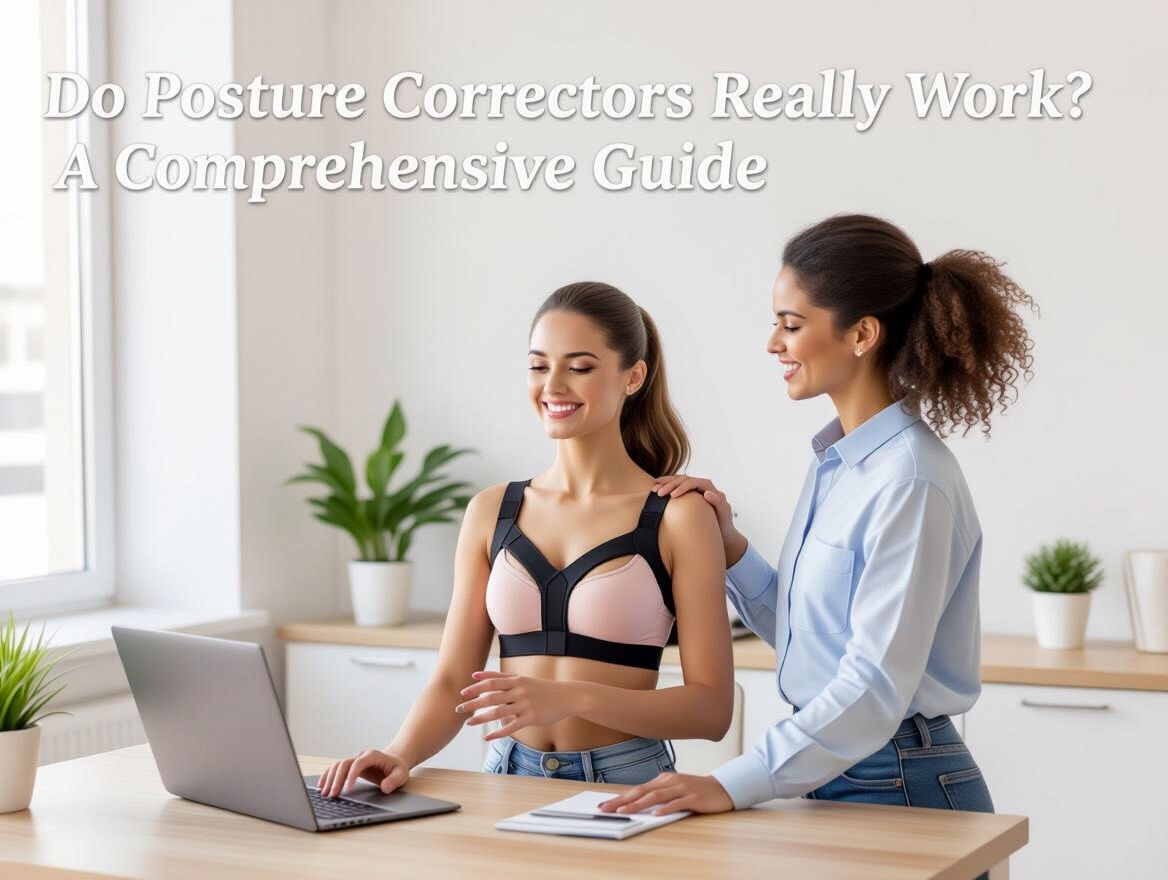
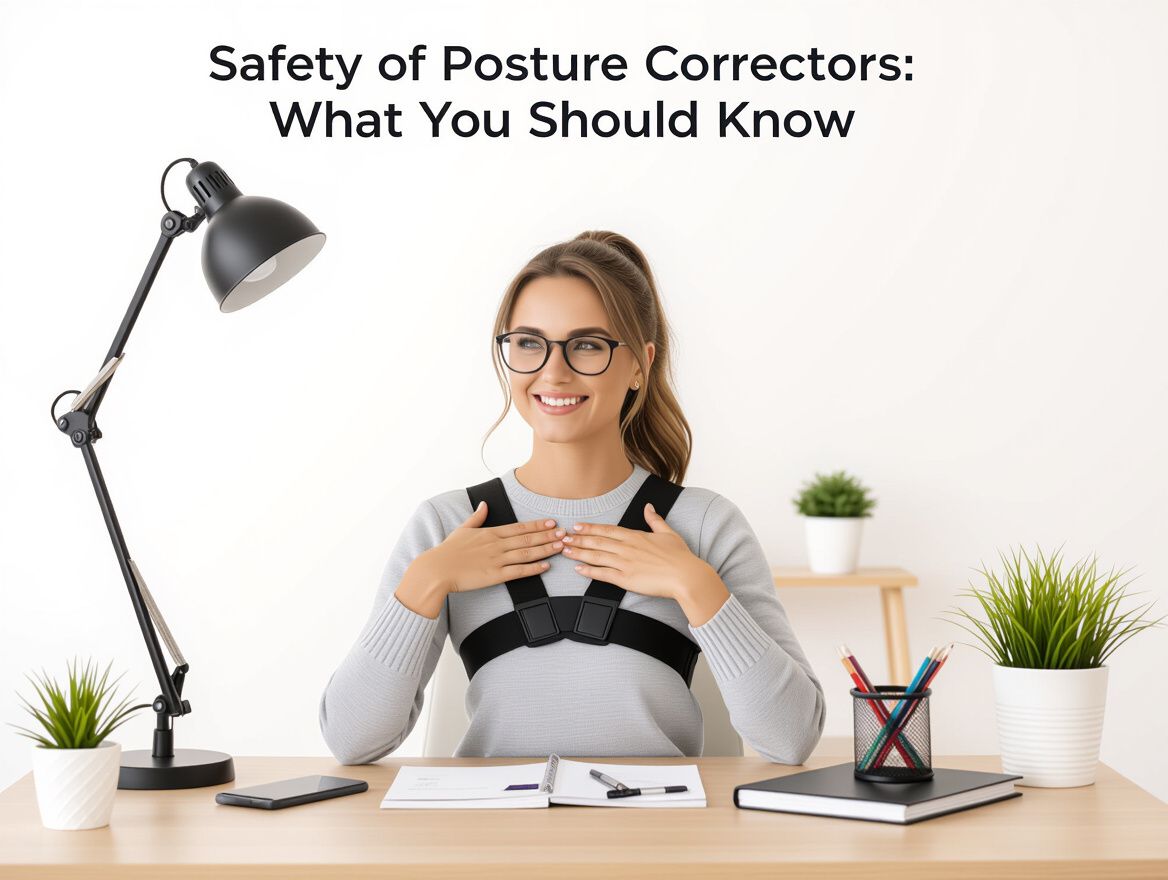
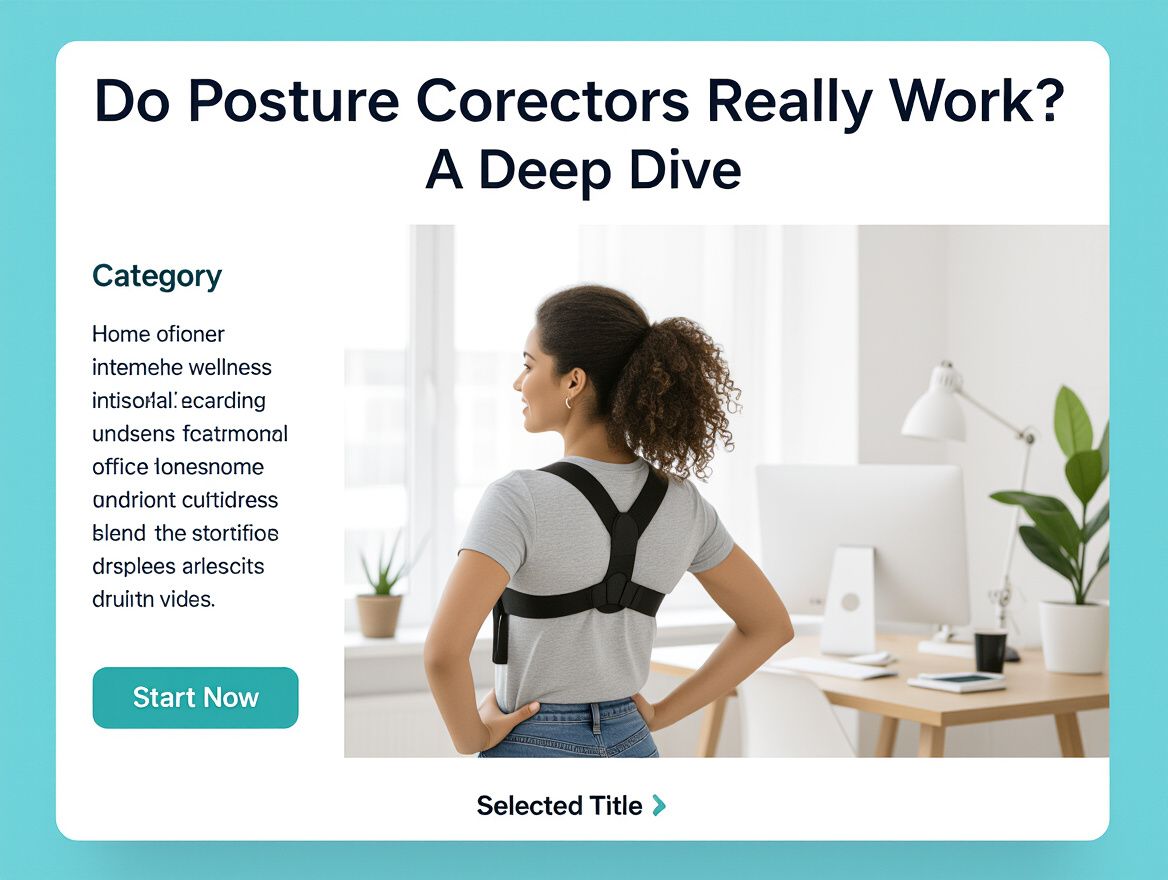
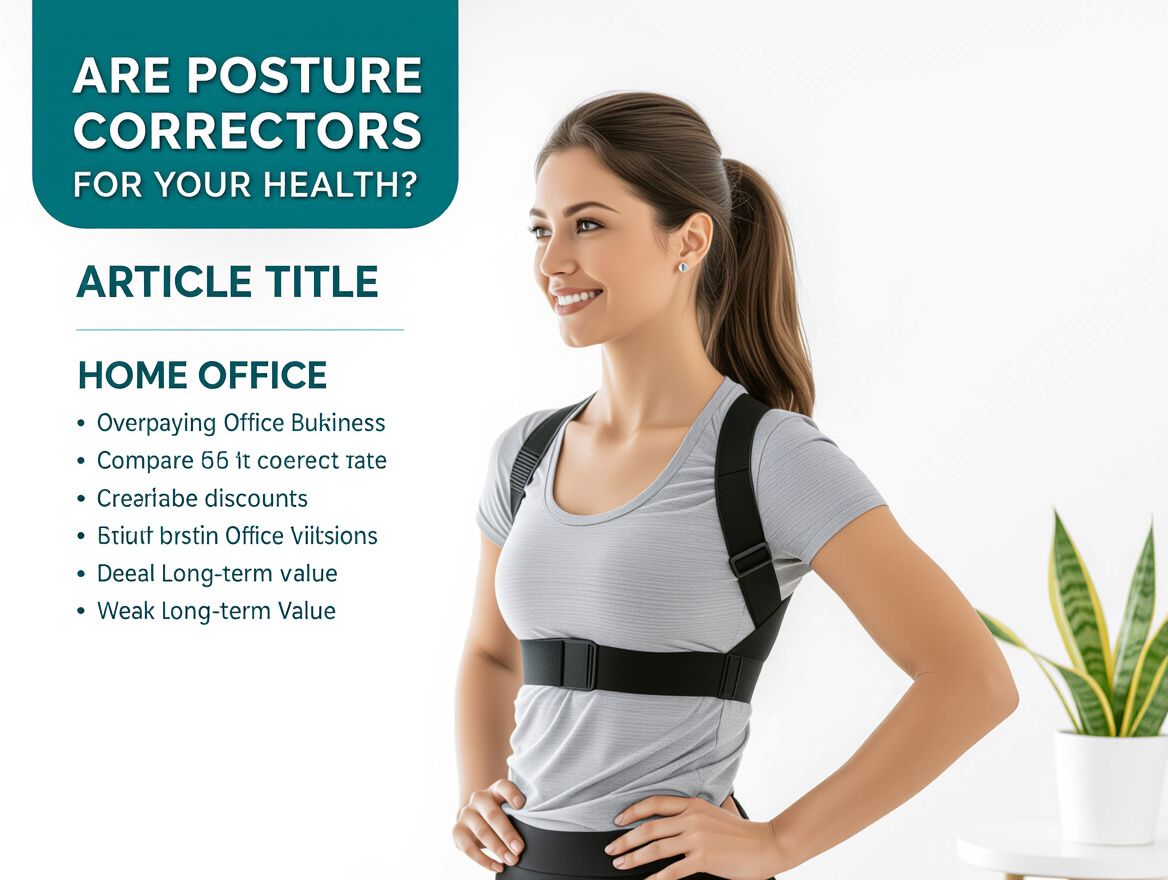
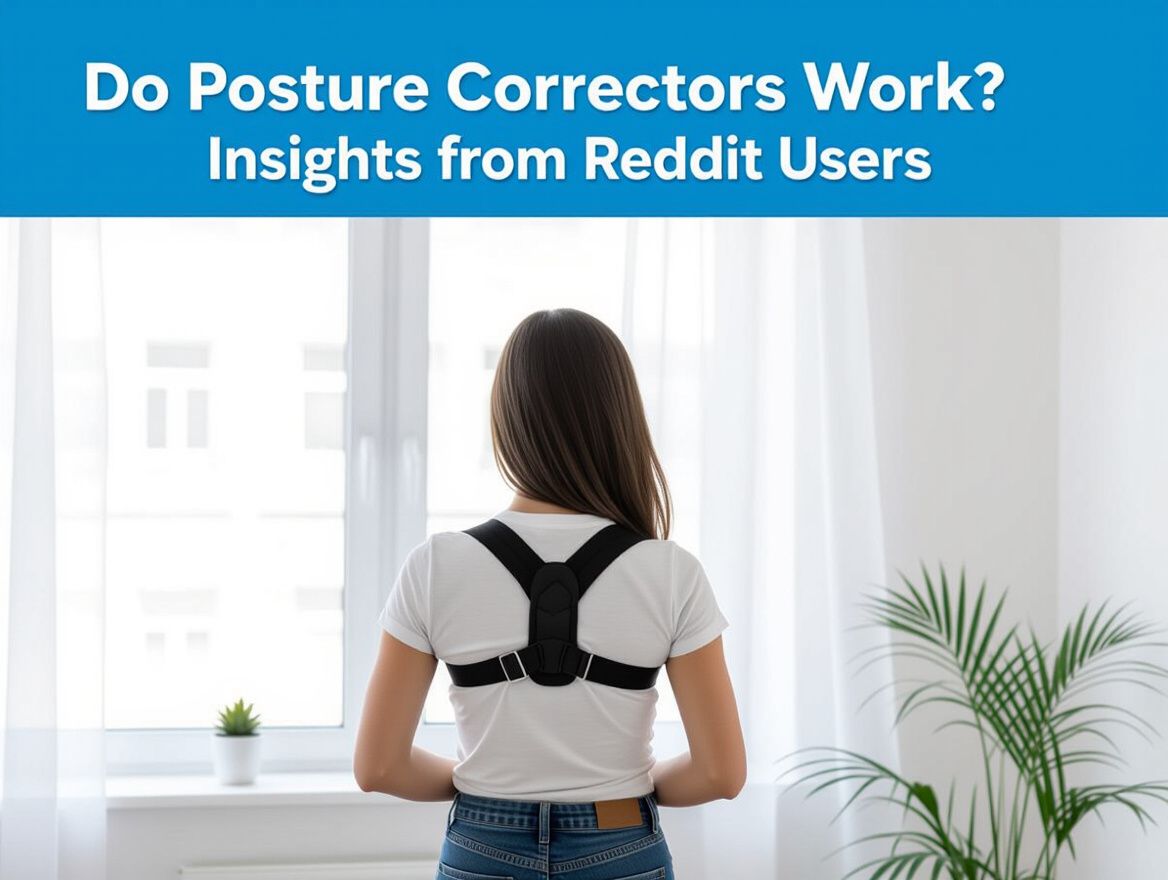
Posture correctors are devices designed to help individuals maintain proper spinal alignment and improve posture. They typically consist of straps, braces, or wearable garments that provide support and remind users to keep their shoulders back and spine straight. While their primary goal is to correct poor posture, they also aim to alleviate associated discomfort and prevent long-term musculoskeletal issues.
Common Types of Posture Correctors
- Braces: Rigid structures that offer strong support and are often adjustable for a snug fit.
- Straps: Lightweight options that gently pull the shoulders back without restricting movement.
- Wearable Devices: High-tech solutions that may include sensors to monitor posture and provide feedback.
Why People Consider Using Them
Individuals often turn to posture correctors for various reasons, including:
- Relief from Discomfort: Many users seek alleviation from back, neck, or shoulder pain linked to poor posture.
- Prevention of Future Issues: Correcting posture can help prevent chronic pain and injury over time.
- Improved Confidence: Better posture can enhance one’s appearance and boost self-esteem.
When considering a posture corrector, it's essential to evaluate personal needs and circumstances, as effectiveness can vary based on individual body types and posture habits.
Do Posture Correctors Work? The Evidence
Evaluating the effectiveness of posture correctors involves examining both scientific research and personal testimonials. While many users report improvements in their posture and reduction in discomfort, the evidence is mixed, highlighting the importance of understanding what these devices can and cannot do.
Summary of Research Studies
Research on posture correctors generally indicates that they can aid in improving posture when used consistently. Key findings include:
- Muscle Activation: Some studies suggest that posture correctors can enhance muscle activation in the back and shoulders, which may help users maintain better posture over time.
- Short-Term Relief: Many users experience immediate relief from discomfort associated with poor posture when using these devices, particularly in office settings.
However, research also points out that reliance on posture correctors without accompanying physical exercises may not lead to long-term changes in posture.
User Experiences and Testimonials
User testimonials often provide a more nuanced view of the effectiveness of posture correctors:
- Positive Feedback: Many users report feeling more aware of their posture while wearing a corrector, which can lead to better habits over time. Users often mention reduced back and shoulder pain after regular use.
- Mixed Results: Some users find that while posture correctors help initially, they do not sustain the benefits without ongoing effort to maintain good posture independently.
Comparison of Claims vs. Reality
It's crucial to differentiate between marketing claims and user experiences:
- Claims: Many products boast significant posture improvement within weeks, which can be misleading. The reality often involves gradual change that requires consistent use and complementary exercises.
- Reality Check: Users should be aware that while posture correctors can provide support, they are not a standalone solution. They should be used as part of a broader approach that includes strengthening exercises and ergonomic adjustments.
In summary, while posture correctors can be effective tools for improving posture and alleviating discomfort, their success largely depends on individual commitment and the integration of other health practices. Understanding these factors can help potential users make informed decisions about whether a posture corrector is right for them.
Key Criteria for Choosing a Posture Corrector
When considering a posture corrector, it's essential to evaluate several key factors to ensure you select a device that effectively meets your needs. Here’s a checklist to guide your decision-making:
-
Comfort and Fit: A posture corrector should feel comfortable during use. Look for adjustable straps and sizes that accommodate your body shape. A well-fitting device will encourage consistent use, which is crucial for effectiveness.
-
Material and Durability: The quality of materials affects both comfort and longevity. Choose posture correctors made from breathable, flexible materials that withstand regular wear. Durable options will save you money in the long run by reducing the need for replacements.
-
Adjustability and Usability: Consider how easy it is to adjust the posture corrector. Devices that are simple to put on and take off, as well as those that allow for fine-tuning of fit, enhance usability. This can be especially important for users who may need to adjust their posture correctors throughout the day.
-
Price vs. Value: While it's tempting to choose the cheapest option, consider the overall value. A more expensive posture corrector may offer better materials, comfort, and durability, translating to a more effective solution for your posture needs. Assess your budget against the features and benefits offered by different products.
By carefully considering these criteria, you can make a more informed choice that aligns with your posture correction goals and lifestyle.
Potential Risks and Limitations of Posture Correctors
While posture correctors can offer benefits, it's essential to understand their potential risks and limitations before making a decision. Here are some key considerations:
-
Discomfort and Dependency: Prolonged use of posture correctors may lead to discomfort, particularly if the device is not properly fitted. Users may also develop a dependency on the device, which could hinder their ability to maintain good posture independently over time.
-
Situational Ineffectiveness: Posture correctors may not be effective for everyone or in every situation. For instance, individuals with specific musculoskeletal conditions may find that these devices do not address their unique needs. Additionally, relying solely on a posture corrector without incorporating exercises or lifestyle changes may limit overall effectiveness.
-
Misleading Marketing Claims: Some products may be marketed with exaggerated claims about their effectiveness. It's crucial to scrutinize the claims made by manufacturers and consider user reviews and scientific evidence when evaluating a product's potential benefits.
Understanding these risks can help you make a more informed decision regarding the use of posture correctors in your journey to improve posture and overall health. Consider your personal needs and consult with a healthcare professional if you have specific concerns or conditions that could affect your posture management strategy.
Posture Correctors vs. Alternative Solutions
When considering ways to improve posture, posture correctors are just one option among several effective methods. Understanding how these devices compare to alternatives such as standing desks, ergonomic chairs, and physical therapy can help you make an informed decision about which solution best fits your needs.
Standing Desks
- Functionality: Standing desks promote a more active working position, reducing the tendency to slouch.
- Pros: Encourages movement throughout the day and can alleviate back pain associated with prolonged sitting.
- Cons: May require an adjustment period and can lead to fatigue if not used properly.
Ergonomic Chairs
- Functionality: These chairs are designed to support the natural curve of the spine, promoting better posture while seated.
- Pros: Often adjustable to fit various body types, providing support in key areas such as the lower back.
- Cons: Can be costly and may not address posture issues if the user continues to sit for extended periods without breaks.
Physical Therapy and Exercises
- Functionality: Targeted exercises and professional guidance can strengthen core muscles and improve posture over time.
- Pros: Offers personalized strategies and long-term benefits by addressing the root causes of poor posture.
- Cons: Requires commitment and may be time-consuming; results can vary based on individual effort.
Trade-offs and Considerations
- Posture Correctors: While they can provide immediate support and remind users to maintain better posture, they may not be a sustainable long-term solution without accompanying exercises or lifestyle changes.
- Alternatives: Standing desks and ergonomic chairs may offer more comprehensive benefits for those who spend significant time at a desk, while physical therapy provides tailored approaches to individual needs.
In summary, while posture correctors can be helpful, considering a combination of solutions may yield the best results for long-term posture improvement. Assess your daily habits and preferences to determine which method or combination of methods aligns best with your lifestyle and health goals.
Frequently Asked Questions About Posture Correctors
As you explore the effectiveness of posture correctors, you may have some common questions regarding their use, safety, and best practices. Here are answers to help you make informed decisions.
How long should you wear a posture corrector?
The duration for which you should wear a posture corrector can vary based on individual comfort and the specific device. Generally, it's recommended to start with short periods, such as 30 minutes to an hour, gradually increasing wear time as your body adjusts. Listening to your body is crucial; if you experience discomfort, consider reducing the duration.
Can posture correctors cause harm?
While posture correctors can be beneficial, improper use may lead to discomfort or muscle dependency. Over-reliance on a posture corrector can weaken your core and back muscles over time. It's essential to use them as a supportive tool rather than a permanent solution. Consulting with a healthcare professional before starting any corrective device is advisable, especially if you have pre-existing conditions.
What are the best practices for using them?
To maximize the benefits of posture correctors, consider these best practices:
- Combine with Exercises: Pair the use of a posture corrector with exercises that strengthen your core and back muscles.
- Adjust Fit Properly: Ensure the posture corrector is fitted correctly. It should provide support without causing pain or restricting movement.
- Take Breaks: Avoid wearing the device continuously. Taking breaks allows your muscles to engage naturally and helps prevent dependency.
- Monitor Progress: Keep track of your posture improvement over time. This can help you determine how effective the device is for your needs.
By following these guidelines, you can enhance the effectiveness of posture correctors while minimizing potential risks.
Final Thoughts on Posture Correctors
As we've explored, posture correctors can offer benefits in improving spinal alignment and alleviating discomfort associated with poor posture. However, their effectiveness largely depends on individual circumstances, including body type and specific posture issues. Here are some key insights to consider:
-
Personal Needs Assessment: Before choosing a posture corrector, evaluate your unique needs. Are you looking for relief from specific pain, or are you aiming to prevent future posture-related issues? Understanding your primary goal can guide you toward the most suitable type of corrector.
-
Limitations and Trade-offs: While posture correctors can be beneficial, they are not a cure-all. Over-reliance on them may lead to weakened muscles that support posture naturally. It's crucial to balance their use with exercises that strengthen these muscles.
-
Usage Guidance: For optimal results, consider wearing the corrector for short periods initially, gradually increasing wear time as your body adjusts. This approach helps avoid discomfort and allows your muscles to adapt without becoming overly dependent on the device.
In summary, posture correctors can be a valuable tool in your journey toward better posture and overall health. By carefully considering your personal needs, understanding the limitations, and using these devices mindfully, you can enhance their effectiveness and achieve lasting improvements in your posture.
More in Posture Correctors
View All