Safety of Posture Correctors: What You Should Know
Understanding Posture Correctors
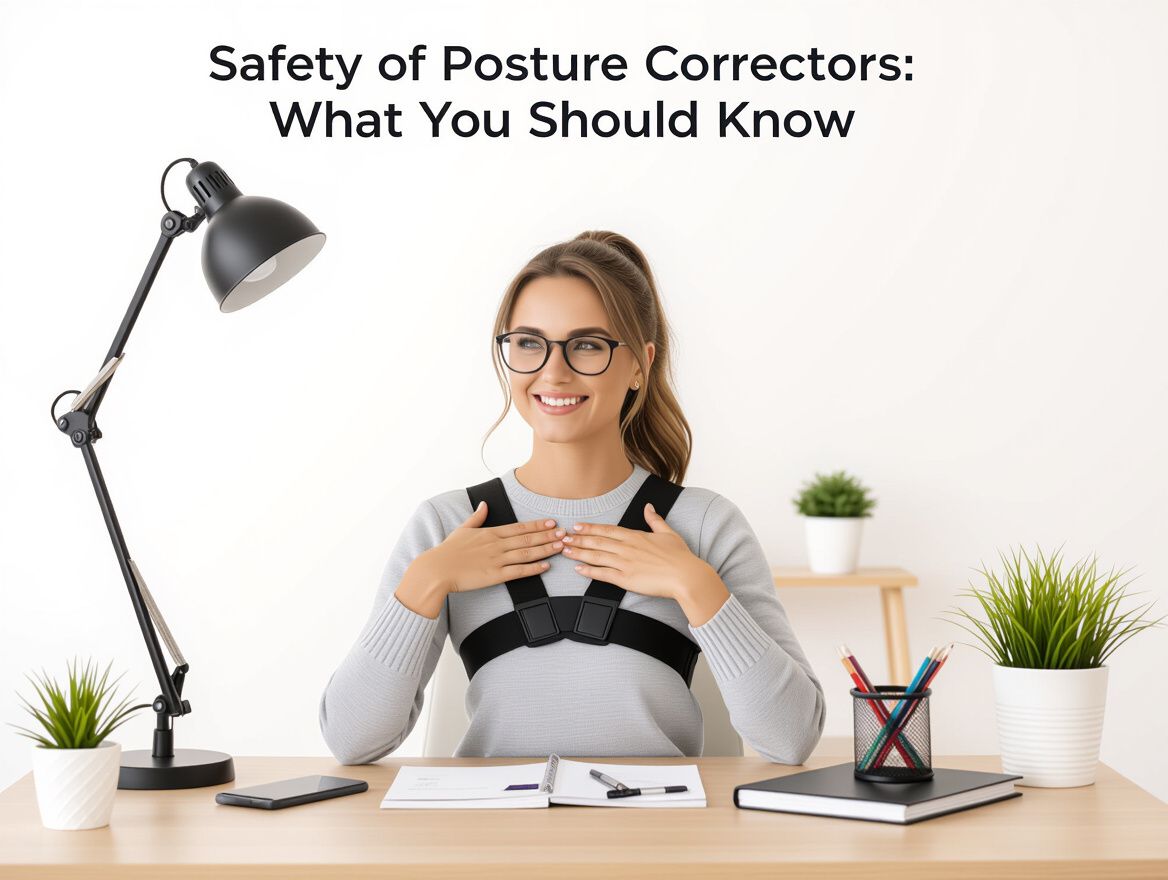
Posture correctors are devices designed to help individuals improve their posture by aligning the spine and shoulders into a more natural position. They are often used by people experiencing discomfort due to poor posture habits, especially in today’s world where prolonged sitting and screen time are common.
Common Types and Designs
There are several types of posture correctors available, including:
- Braces: These are typically worn over the shoulders and back, providing support and reminding users to maintain proper posture.
- Straps: These are often adjustable and can be worn discreetly under clothing, offering a less bulky option for users.
- Smart devices: Some modern posture correctors use technology to provide feedback on posture through alerts or notifications.
General Purpose and Benefits
The primary purpose of posture correctors is to alleviate discomfort caused by poor posture and to serve as a reminder for users to maintain a healthy alignment. Benefits may include:
- Reduced back and neck pain: By promoting better posture, users may experience less strain on muscles and joints.
- Increased awareness: Wearing a posture corrector can help individuals become more conscious of their posture throughout the day.
- Support during recovery: For those recovering from injuries, posture correctors can provide additional support during the healing process.
While posture correctors can be beneficial, it’s crucial to consider their safety and effectiveness before making a purchase. Understanding the types, purposes, and potential benefits can help users make informed decisions about incorporating these devices into their daily routines.
Safety Considerations for Posture Correctors
When evaluating the safety of posture correctors, it's essential to consider several key factors that can influence both comfort and effectiveness. Here's a checklist to guide your decision-making process:
-
Material Safety and Hypoallergenic Options: Check the materials used in the posture corrector. Ensure they are safe and free from harmful chemicals. Look for hypoallergenic options if you have sensitive skin or allergies to certain fabrics.
-
Appropriate Fit and Sizing: Proper fit is crucial for the effectiveness and safety of posture correctors. An ill-fitting device can lead to discomfort or exacerbate posture issues. Refer to sizing charts provided by manufacturers and consider adjustable models that can accommodate changes in body size.
-
Duration of Use Recommendations: Follow manufacturer guidelines regarding how long to wear the posture corrector daily. Overuse can lead to muscle dependency or discomfort. It's often recommended to start with short durations and gradually increase wear time as your body adjusts.
By carefully considering these safety aspects, you can make a more informed decision about whether a posture corrector is suitable for your needs.
Potential Risks Associated with Posture Correctors
While posture correctors can offer benefits for improving posture and reducing discomfort, it's essential to be aware of potential risks associated with their use. Understanding these risks can help you make an informed decision before purchasing a posture corrector.
-
Risk of Dependency: One significant concern is that users may become reliant on the device for maintaining good posture. This dependency can hinder the development of natural muscle strength and awareness of proper alignment. Over time, users might find it challenging to maintain good posture without the corrector.
-
Possible Discomfort or Pain: Some individuals may experience discomfort or pain while using posture correctors, particularly if they are worn for extended periods. This discomfort can stem from improper fit, excessive tightness, or the body adjusting to a new posture. It is crucial to listen to your body and discontinue use if you experience ongoing pain.
-
Impact on Natural Posture: If posture correctors are used incorrectly or for too long, they may negatively affect natural posture. For instance, over-relying on a corrective device can lead to muscle atrophy in the core and back muscles, which are essential for supporting proper posture. Additionally, improper use may cause misalignment rather than correction.
When considering a posture corrector, it's vital to weigh these potential risks against the benefits. Assess your specific needs and circumstances, and consult with a healthcare professional if you have existing conditions that may influence your decision.
Trade-offs and Alternatives
When considering posture correctors, it's essential to evaluate them against other solutions available for posture improvement. Each option presents unique trade-offs, costs, and potential benefits that can significantly influence your decision.
Ergonomic Chairs
- Pros: Ergonomic chairs are designed to support proper posture during prolonged sitting. They encourage an optimal sitting position, reducing strain on the back and neck.
- Cons: These chairs can be expensive, and their effectiveness can depend on individual body types and preferences. Additionally, they may not address posture issues that arise from standing or moving.
Physical Therapy
- Pros: Engaging with a physical therapist can provide personalized assessments and tailored exercises to strengthen muscles and improve posture over time. This can lead to long-term benefits.
- Cons: Physical therapy typically requires a time commitment and can be costly, especially if multiple sessions are needed. It may not provide immediate relief like a posture corrector might.
Cost vs. Benefits
- Posture Correctors: Generally more affordable and can be used immediately to help alleviate discomfort. However, they may only offer temporary relief and can lead to dependency if not used in conjunction with other methods.
- Ergonomic Solutions: Investing in ergonomic chairs or desks can be beneficial in the long run but often comes with a higher upfront cost. Assessing your daily activities will help determine if this investment is warranted.
- Therapeutic Options: While potentially the most effective for long-term posture improvement, the cost and time involved can be significant. Consider your budget and availability when evaluating this option.
Conclusion
Ultimately, the choice between posture correctors, ergonomic chairs, and physical therapy depends on your specific needs, lifestyle, and budget. Weighing the immediate benefits of posture correctors against the long-term advantages of ergonomic solutions and physical therapy can help you make an informed decision that aligns with your posture improvement goals.
Frequently Asked Questions About Posture Correctors
When considering posture correctors, potential buyers often have specific concerns regarding their safety and suitability. Here are answers to some common questions:
Are posture correctors suitable for everyone?
Posture correctors are not universally suitable. While they can benefit many individuals, those with certain medical conditions, such as severe scoliosis, herniated discs, or specific muscle imbalances, should consult a healthcare professional before use. Additionally, individuals who are pregnant or have recently had surgery in the back or neck areas may also need to avoid them.
How long should I wear a posture corrector?
The duration of use can vary significantly based on individual comfort and goals. Many experts recommend starting with short periods—about 15 to 30 minutes a day—and gradually increasing wear time as your body adapts. Over-reliance on posture correctors may lead to muscle dependency, so it’s essential to balance their use with exercises that strengthen postural muscles.
What should I do if I experience discomfort?
If discomfort arises while using a posture corrector, it’s crucial to assess the fit and adjust it accordingly. A poorly fitted device can lead to pain or irritation. If discomfort persists, it’s advisable to stop using the corrector and consult a healthcare professional to evaluate whether it’s suitable for your specific needs. Additionally, consider incorporating stretches and strengthening exercises to support your posture naturally.
Making an Informed Decision
When considering the safety of posture correctors, it's essential to weigh various factors that impact their effectiveness and suitability for individual needs. Here are key points to consider before making a purchase:
-
Safety Considerations: Posture correctors can help improve alignment and reduce discomfort, but improper use may lead to dependency or discomfort. Users should be aware of the potential for muscle weakening if relied upon excessively.
-
Individual Assessment: Each person's posture issues and body mechanics are unique. It's crucial to assess personal needs, including the severity of posture problems and any pre-existing conditions. A one-size-fits-all approach may not be effective or safe.
-
Consultation with Healthcare Professionals: Before starting to use a posture corrector, consult with a healthcare provider, such as a physical therapist or chiropractor. They can provide tailored advice and help determine if a posture corrector is appropriate for your specific situation.
In summary, while posture correctors can be beneficial, users should approach their use thoughtfully. Evaluate your individual needs, consider the potential risks, and seek professional guidance to ensure safe and effective use. This careful consideration will help you make an informed decision that aligns with your health goals.
More in Posture Correctors
View All