Do Posture Correctors Help? Understanding the Benefits
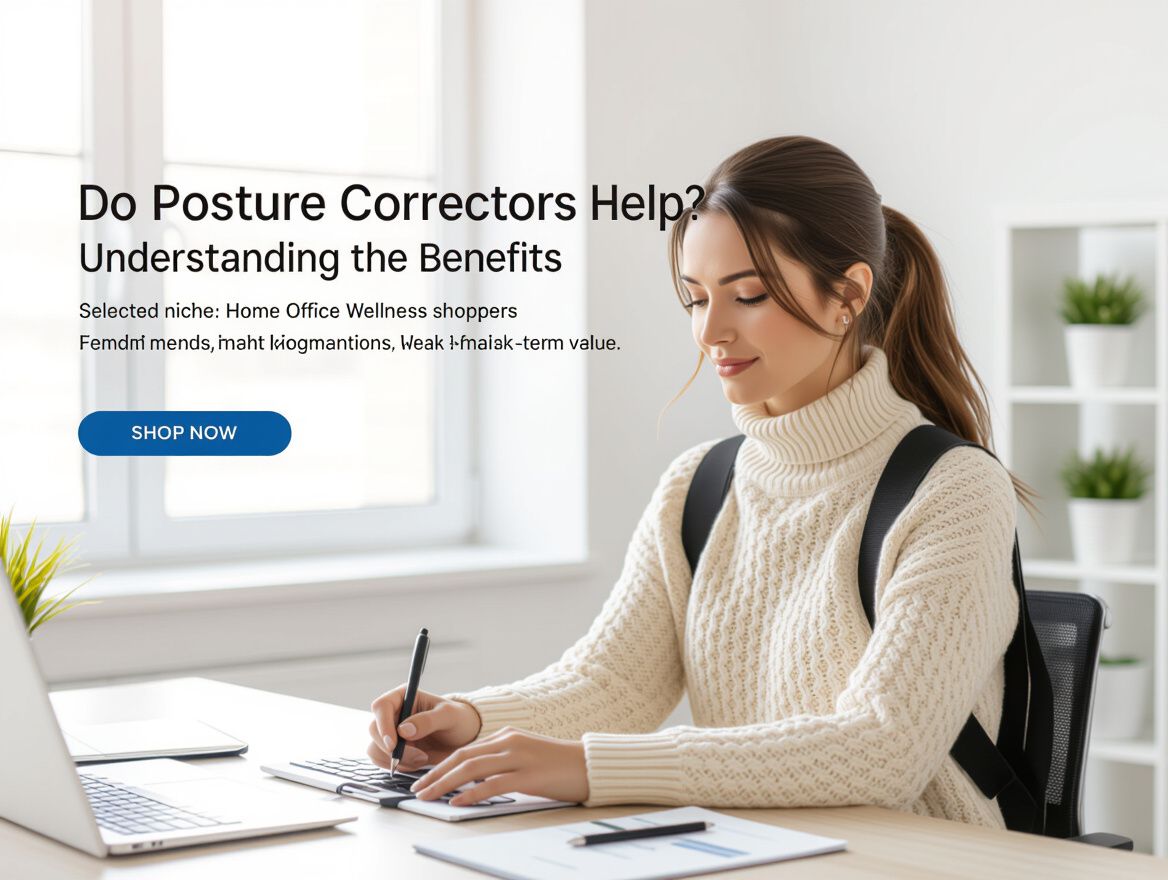
Understanding Posture Correctors
Posture correctors are devices designed to help individuals maintain proper alignment of the spine and improve overall posture. These aids are particularly beneficial for people who spend long hours sitting, often leading to slouching or other poor postural habits. By providing support and reminders to align the body correctly, posture correctors aim to alleviate discomfort and promote healthier postural habits.
There are several common types of posture correctors available on the market:
- Shoulder Straps: These are worn over the shoulders and help pull the shoulders back, encouraging an upright posture.
- Back Braces: These provide support to the lower back and are often adjustable to fit various body shapes.
- Posture Shirts: Made from special materials, these shirts are designed to encourage proper alignment through compression.
- Smart Devices: Some modern posture correctors incorporate technology to provide feedback on posture through alerts or notifications.
While posture correctors can serve as helpful tools, it is essential to understand their limitations. They are not a permanent solution and should be used in conjunction with exercises and stretches that strengthen the muscles responsible for good posture. Additionally, individual comfort and fit vary significantly, making it crucial for users to find a product that meets their specific needs without causing discomfort.
Potential Benefits of Posture Correctors
Posture correctors have gained popularity as tools aimed at improving posture and overall well-being. Understanding their potential benefits can help individuals determine if they align with their personal health goals.
Alleviation of Back Pain
Many users report a reduction in back pain when using posture correctors. This relief can stem from the supportive nature of these devices, which encourage proper spinal alignment. Correcting posture may help reduce strain on muscles and ligaments, potentially leading to decreased discomfort over time.
Impact on Productivity and Comfort
For those who spend long hours at a desk, posture correctors may enhance productivity by promoting a more comfortable working position. Improved posture can lead to greater focus and reduced fatigue, as individuals are less likely to experience the discomfort that comes from slouching or hunching over.
Role in Long-term Posture Improvement
While posture correctors can provide immediate benefits, their role in long-term posture improvement is noteworthy. By training the body to maintain better alignment, these devices may help users develop healthier habits over time. However, it’s crucial to pair their use with exercises that strengthen core muscles and improve flexibility for sustained benefits.
Considerations Before Use
- Duration of Wear: Users should consider how long they intend to wear the corrector daily, as prolonged use without breaks may lead to dependency.
- Complementary Practices: Engaging in exercises that strengthen back and core muscles is essential for maximizing the benefits of posture correctors.
- Individual Needs: Different body types and postural issues may require specific types of correctors, making it essential to evaluate personal needs before making a choice.
Understanding these benefits and considerations can empower individuals to make informed decisions about using posture correctors as part of their wellness journey.
Key Criteria for Choosing a Posture Corrector
When selecting a posture corrector, it's essential to consider several key criteria to ensure that you choose a product that meets your needs while providing comfort and effectiveness. Here’s a checklist to guide your decision-making process:
-
Size and Fit Considerations:
- Ensure the posture corrector is available in various sizes to accommodate different body types.
- Look for adjustable straps or components that allow for a customized fit, which can enhance comfort and effectiveness.
-
Material and Comfort Levels:
- Opt for breathable materials that can wick moisture away, especially if you plan to wear the corrector for extended periods.
- Consider the thickness and flexibility of the material; it should provide support without being overly rigid or cumbersome.
-
Adjustability and Ease of Use:
- A posture corrector should be easy to put on and take off, ideally with simple fastening mechanisms.
- Look for features that allow you to adjust the level of tension or support, which can help you gradually improve your posture without causing discomfort.
By carefully evaluating these criteria, you can make a more informed choice that aligns with your specific posture improvement goals and lifestyle needs.
Trade-offs and Limitations of Posture Correctors
While posture correctors can provide benefits for some users, it’s essential to understand their limitations and potential downsides before making a decision. Here are key trade-offs to consider:
-
Discomfort and Dependency: Many users report discomfort when wearing posture correctors, especially for extended periods. This discomfort can lead to a dependency on the device, where individuals may feel they cannot maintain proper posture without it. This reliance may hinder the development of natural muscle strength and awareness.
-
Situational Effectiveness: Posture correctors may not be effective in all situations. For example, they might provide little benefit during activities that require dynamic movement or when users are engaged in physical exercise. In such cases, relying solely on a posture corrector could lead to neglecting other important practices for posture improvement.
-
Alternative Solutions: Ergonomic furniture, such as chairs designed for better lumbar support or adjustable desks, can serve as effective alternatives or complements to posture correctors. These solutions can promote better posture naturally without the potential drawbacks of wearing a device.
-
Individual Variability: The effectiveness of posture correctors can vary significantly from person to person. Factors such as the severity of posture issues, individual body mechanics, and personal habits can all influence outcomes. Some users may find that a posture corrector works well for them, while others may see little to no improvement.
In conclusion, while posture correctors can be a helpful tool in improving posture, they come with trade-offs that should be carefully weighed against other solutions and personal needs. Understanding these limitations can aid in making a more informed decision about whether to incorporate a posture corrector into your routine.
Frequently Asked Questions About Posture Correctors
As you consider whether posture correctors are right for you, it's essential to address common questions that may arise during your decision-making process. Here are some key points to keep in mind:
How long should I wear a posture corrector?
- Gradual Introduction: Start by wearing the corrector for short periods, such as 15-30 minutes daily, and gradually increase the duration as your body adjusts.
- Recommended Duration: Many users find wearing the corrector for 1-2 hours per day beneficial, but this can vary based on personal comfort and specific needs.
- Listen to Your Body: Pay attention to any discomfort or strain; if you experience pain, consider reducing the wear time.
Can posture correctors be used during physical activities?
- Activity Suitability: While some posture correctors are designed for use during light physical activities, others may restrict movement and are better suited for stationary use.
- Type of Activity: For activities like walking or gentle stretching, a more flexible posture corrector may be appropriate, whereas high-intensity workouts might require a different approach.
- Consultation Recommended: If you plan to use a posture corrector during exercise, consult a healthcare professional to ensure it's suitable for your activity level and body type.
Are there specific recommendations for different body types?
- Body Type Considerations: Different posture correctors are designed for various body shapes and sizes. Ensure you choose a model that fits your body type comfortably.
- Customization: Some posture correctors offer adjustable straps or sizes to accommodate diverse body shapes, enhancing effectiveness.
- Professional Guidance: If you have specific concerns related to your body type, consulting with a healthcare provider or physical therapist can provide tailored recommendations.
By addressing these frequently asked questions, you can better navigate the considerations surrounding posture correctors and make informed decisions that align with your personal health goals.
Conclusion: Are Posture Correctors Right for You?
As you consider the potential benefits of posture correctors, it's essential to weigh both their advantages and limitations. Posture correctors can offer support and help promote better alignment, which may lead to reduced discomfort and improved posture over time. However, relying solely on these devices without incorporating complementary practices, such as strengthening exercises or ergonomic adjustments, may limit their effectiveness.
Key Considerations:
- Individual Needs: Assess your specific posture issues and lifestyle. What works for one person may not suit another, so tailoring your approach is crucial.
- Consult Professionals: Before starting with a posture corrector, consider consulting a healthcare provider or a physical therapist. They can provide personalized recommendations based on your unique situation.
- Trade-offs: Be mindful of potential discomfort or dependency on the device. It's important to strike a balance between using a posture corrector and developing your muscle strength and awareness of body mechanics.
Ultimately, whether posture correctors are right for you depends on your individual circumstances and goals. A thoughtful approach, combined with professional guidance, can help you make an informed decision that supports your journey toward better posture and overall well-being.
More in Posture Correctors
View All