Are Posture Correctors Effective? An Analytical Review
Understanding Posture Correctors
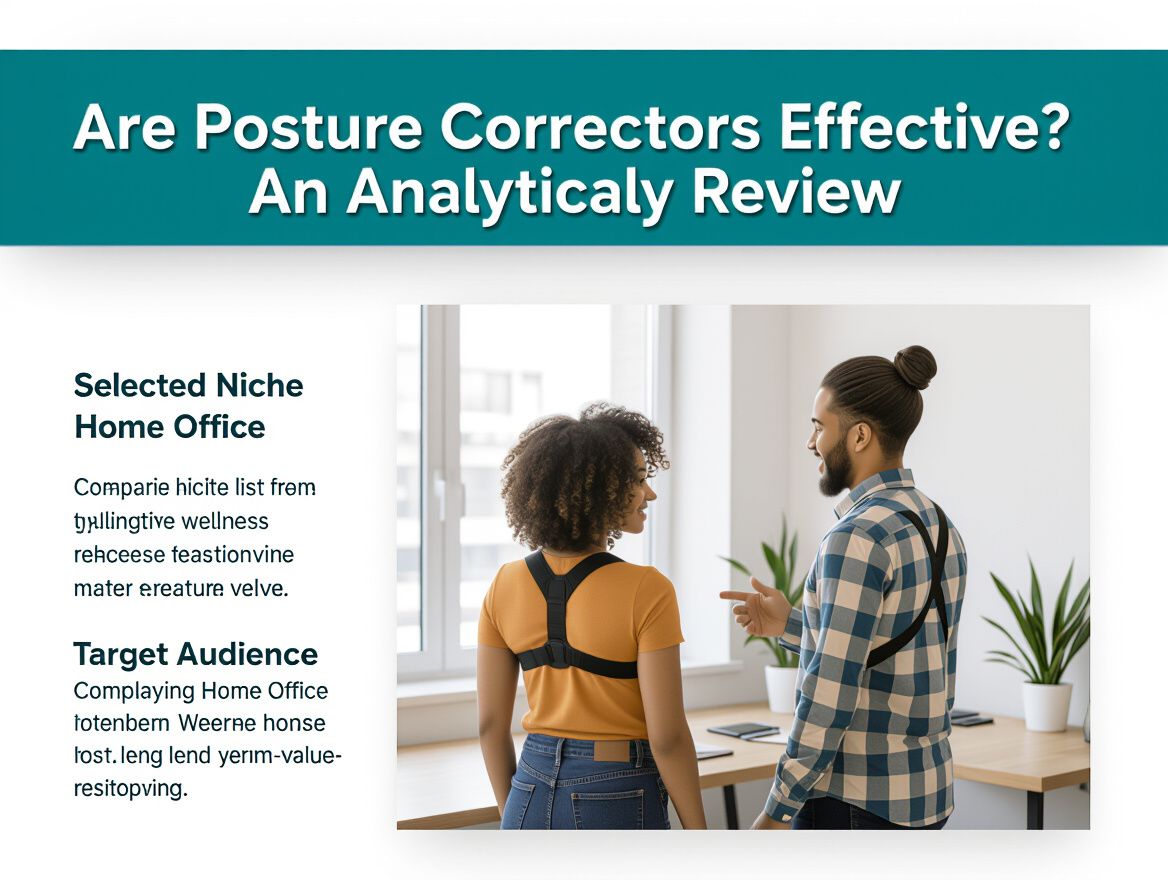
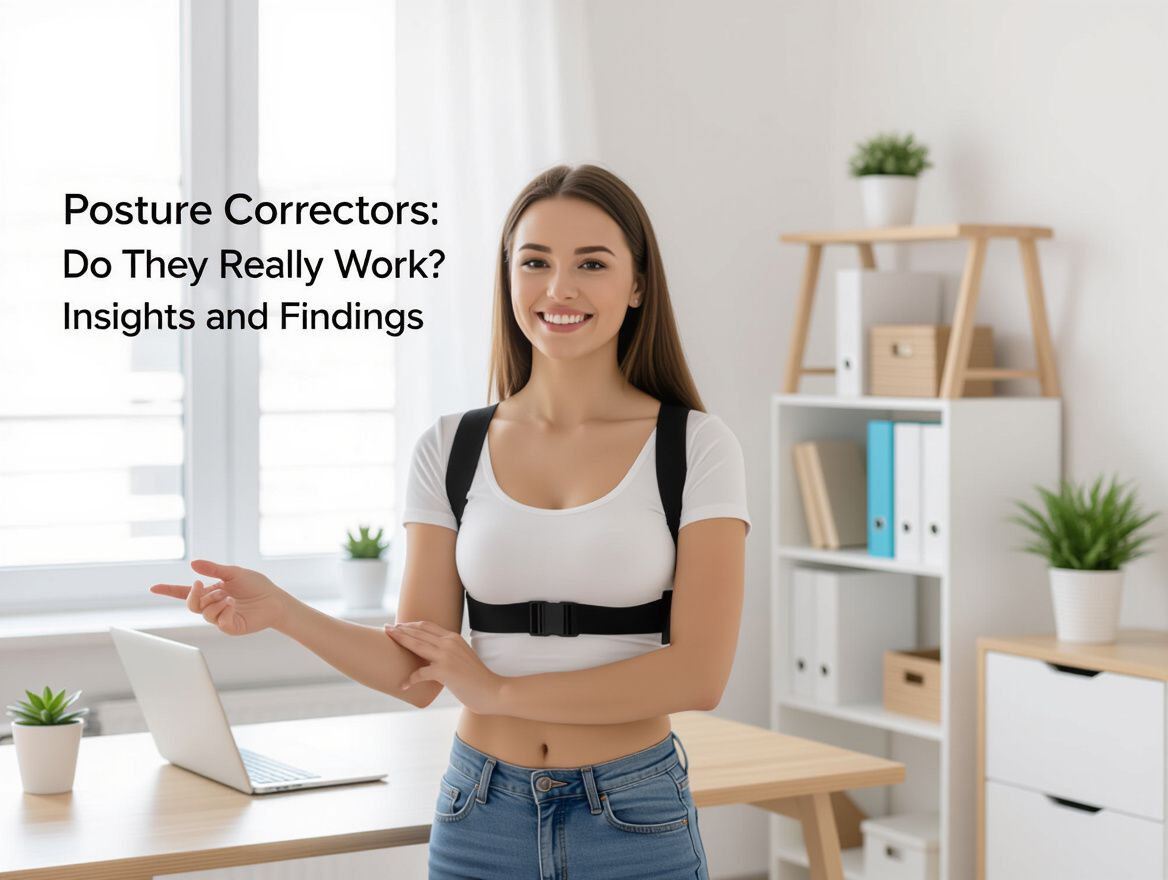
Posture correctors are devices designed to support proper alignment of the spine and shoulders, aiming to improve posture and alleviate discomfort caused by poor body mechanics. These devices can range from simple straps and braces to more complex wearable technology. The general purpose of posture correctors is to encourage users to maintain a more upright position, which may help reduce strain on the back and neck.
The claims surrounding the effectiveness of posture correctors often include benefits such as reduced back pain, improved spinal alignment, and increased overall comfort during daily activities. However, the actual effectiveness can vary based on individual use, the specific type of corrector, and adherence to complementary practices like stretching and strengthening exercises.
Good posture is essential not only for physical health but also for mental well-being. Maintaining proper alignment can enhance breathing, boost confidence, and improve overall functionality in daily tasks. Understanding the role of posture correctors is crucial for individuals seeking to address posture-related issues, as it allows for informed decisions on whether to incorporate these devices into their routines.
When considering posture correctors, potential users should evaluate their specific needs, the type of corrector that may provide the best support, and how these devices fit into their overall approach to improving posture.
Effectiveness of Posture Correctors: A Review of Studies
The effectiveness of posture correctors has been a subject of interest in various research studies, with findings indicating mixed results. These devices are designed to help individuals maintain proper alignment of the spine and shoulders, potentially alleviating discomfort associated with poor posture. Below is a summary of key research findings, the different types of posture correctors, and the statistical outcomes from relevant studies.
Key Research Findings
- Short-Term Benefits: Some studies suggest that posture correctors can provide immediate support and relief for individuals experiencing discomfort due to slouching or prolonged sitting. However, these benefits may diminish over time if users become dependent on the device.
- Long-Term Effectiveness: Research indicates that while posture correctors can improve posture in the short term, their long-term effectiveness largely depends on the incorporation of complementary practices, such as physical therapy or exercise.
- Variability in Results: The effectiveness of posture correctors can vary widely among individuals, influenced by factors such as the severity of posture issues, the specific type of corrector used, and the frequency of use.
Types of Posture Correctors and Their Claims
- Braces: Often made of elastic or rigid materials, these are designed to pull the shoulders back and align the spine.
- Smart Posture Devices: These use sensors to monitor posture and provide real-time feedback to the user, encouraging corrective behavior.
- Taping Techniques: Some studies explore the efficacy of kinesiology tape as a non-invasive method to promote correct posture.
Statistical Data and Outcomes
- A review of studies indicates that approximately 60-70% of users report improved posture when regularly using posture correctors, although the sustainability of these results is questioned.
- Other research highlights that users who combine posture correctors with exercises targeting core strength and flexibility may experience better long-term outcomes compared to those who rely solely on the devices.
Considerations for Potential Users
- Trade-offs: While posture correctors can offer immediate relief, users should be cautious of developing a reliance on them, which may hinder the natural strengthening of postural muscles.
- Fit and Comfort: It’s essential to select a posture corrector that fits well and is comfortable for extended wear; discomfort may lead to decreased usage and, consequently, diminished effectiveness.
- Supplementary Practices: Engaging in physical activities that promote core strength and flexibility is crucial for maximizing the benefits of posture correctors.
In summary, while posture correctors can be effective tools for improving posture and alleviating discomfort, their success largely depends on individual circumstances and the incorporation of supportive practices. Potential users should weigh the benefits against possible trade-offs and consider how these devices fit into their overall posture improvement strategy.
Criteria for Choosing a Posture Corrector
When evaluating the effectiveness of posture correctors, it's essential to consider specific criteria that can significantly influence your experience and outcomes. Here’s a checklist to help you assess various options:
-
Comfort and Fit:
- Ensure the posture corrector fits snugly without being overly tight. A comfortable fit encourages regular use.
- Look for adjustable straps that allow for customization to your body shape.
-
Material Quality:
- Choose posture correctors made from breathable, durable materials. This can enhance comfort during extended wear.
- Check for moisture-wicking properties if you plan to wear it during physical activities.
-
Adjustability and Usability:
- Opt for models that are easy to put on and take off. Complicated designs can discourage daily use.
- Consider whether the corrector allows for adjustments as you progress in your posture improvement journey.
-
User Reviews and Testimonials:
- Research feedback from other users regarding their experiences. Look for comments on comfort, effectiveness, and durability.
- Pay attention to reviews that discuss the long-term use of the product, as initial impressions may not reflect ongoing effectiveness.
By carefully evaluating these criteria, you can make a more informed decision regarding the posture corrector that best suits your needs and lifestyle.
Potential Risks and Limitations of Posture Correctors
While posture correctors can offer benefits, it’s essential to be aware of their potential risks and limitations. Understanding these factors can help you make an informed decision about whether to incorporate them into your routine.
-
Possible Discomfort or Pain: Many users report initial discomfort when first using a posture corrector. This can stem from the device's pressure on the body or improper fit. Over time, discomfort may lead to avoidance of the product rather than consistent use.
-
Over-Reliance on Posture Correctors: Relying solely on a posture corrector can inhibit the development of natural postural habits. Users might find themselves dependent on the device, which can weaken the muscles that support good posture over time.
-
Situations Where Posture Correctors May Not Be Effective: Not all posture issues can be addressed with a corrector. For example, underlying medical conditions or chronic pain may require more comprehensive approaches such as physical therapy or ergonomic adjustments. In such cases, a posture corrector might offer limited improvement.
Being aware of these risks can guide you in deciding how and when to use posture correctors effectively. Consider consulting with a healthcare professional for personalized advice tailored to your specific needs and conditions.
Posture Correctors vs. Alternative Solutions
When considering ways to improve posture and alleviate discomfort, it's essential to evaluate posture correctors alongside alternative solutions. Each method has unique benefits and drawbacks, which can influence your choice based on individual needs and circumstances.
Ergonomic Furniture
- Standing Desks: These allow for a more natural posture while working and can reduce the tendency to slouch. They encourage movement throughout the day, which can help alleviate back pain associated with prolonged sitting.
- Adjustable Chairs: Properly designed ergonomic chairs support the natural curve of the spine, promoting better posture without the need for additional devices.
Physical Therapy and Exercises
- Targeted Exercises: Engaging in exercises specifically designed to strengthen core muscles and improve flexibility can lead to long-term posture improvement. Physical therapy often includes personalized routines that address individual posture issues.
- Manual Therapy: Techniques such as chiropractic adjustments or massage can relieve tension and pain, facilitating better posture without relying solely on external devices.
Lifestyle Changes and Habits
- Mindfulness and Awareness: Developing an awareness of posture throughout daily activities can lead to gradual improvement. Simple reminders to adjust posture while sitting or standing can be effective.
- Regular Breaks: Taking breaks from prolonged sitting or standing can prevent the muscle fatigue that contributes to poor posture. Incorporating short stretches or walks into your routine can significantly alleviate discomfort.
Trade-offs to Consider
- Effectiveness: While posture correctors can provide immediate support, their effectiveness may diminish over time if not combined with other methods. Relying solely on a device can lead to dependency rather than promoting natural posture.
- Comfort and Fit: Some individuals may find posture correctors uncomfortable, especially during extended use. In contrast, ergonomic furniture and lifestyle changes can be more comfortable and sustainable in the long run.
In summary, while posture correctors can be a helpful tool, exploring ergonomic furniture, physical therapy, and lifestyle modifications may provide a more comprehensive approach to improving posture and reducing discomfort. Consider your specific needs and preferences when evaluating these options to find the best fit for your situation.
Frequently Asked Questions About Posture Correctors
How long should I wear a posture corrector?
The duration for which you should wear a posture corrector can vary based on individual needs and comfort levels. Generally, it is recommended to start with short periods, such as 15-30 minutes a day, gradually increasing the time as your body adjusts. Overuse can lead to discomfort or dependency, so it's essential to listen to your body and consult with a healthcare professional for personalized advice.
Can posture correctors help with back pain?
Research indicates that posture correctors may provide relief for some individuals suffering from back pain, especially if the pain is related to poor posture. They can help by promoting better spinal alignment and reducing strain on muscles. However, it's important to note that they are not a standalone solution; incorporating exercises and stretches to strengthen back muscles is crucial for long-term relief.
Are posture correctors suitable for everyone?
Posture correctors are not universally suitable for everyone. Individuals with specific medical conditions, such as severe scoliosis or certain types of spinal injuries, should consult their healthcare provider before use. Additionally, those who experience discomfort or pain while using a posture corrector should discontinue use and seek professional advice. It's essential to assess individual needs and circumstances to determine if a posture corrector is appropriate.
Final Thoughts on Posture Correctors
In summary, the effectiveness of posture correctors can vary significantly among individuals. While some studies suggest that these devices can aid in improving spinal alignment and reducing discomfort associated with poor posture, results are influenced by factors such as the type of corrector used, duration of wear, and individual commitment to complementary posture improvement methods.
Before purchasing a posture corrector, consider the following:
- Individual Needs: Assess your specific posture-related issues and choose a corrector that addresses those concerns effectively.
- Type of Corrector: Different designs offer varying levels of support; some may be more suitable for specific activities or body types.
- Comfort and Fit: Ensure the corrector is comfortable to wear for extended periods, as discomfort may lead to reduced usage.
It's crucial to remember that posture correctors should not be viewed as a standalone solution. Combining their use with exercises to strengthen core muscles and improve flexibility can enhance overall effectiveness. Integrating practices like yoga or physical therapy may provide additional benefits and support long-term posture improvement.
Ultimately, while posture correctors can be beneficial, they should be part of a broader strategy to enhance posture and alleviate discomfort. Consider your lifestyle, preferences, and goals when deciding whether to incorporate them into your routine.
More in Posture Correctors
View All