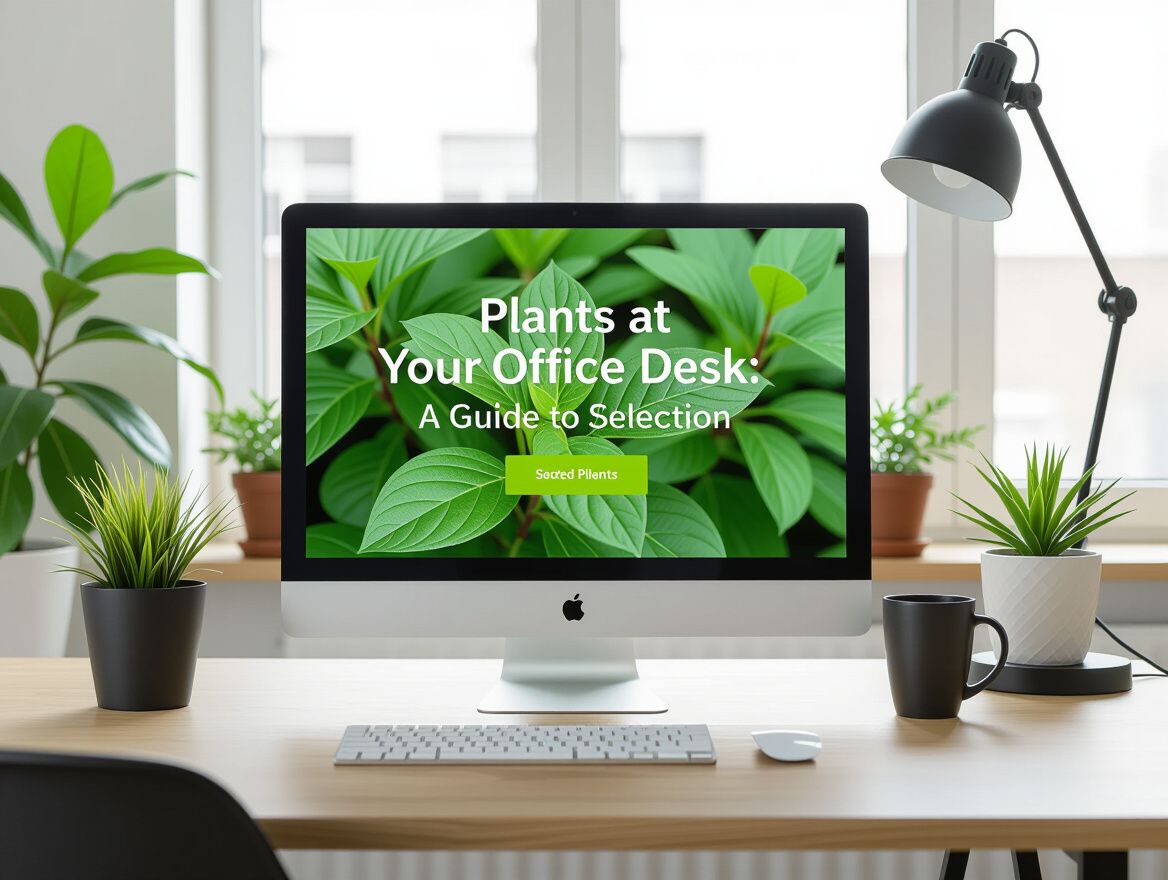
Plants at Your Office Desk: A Guide to Selection
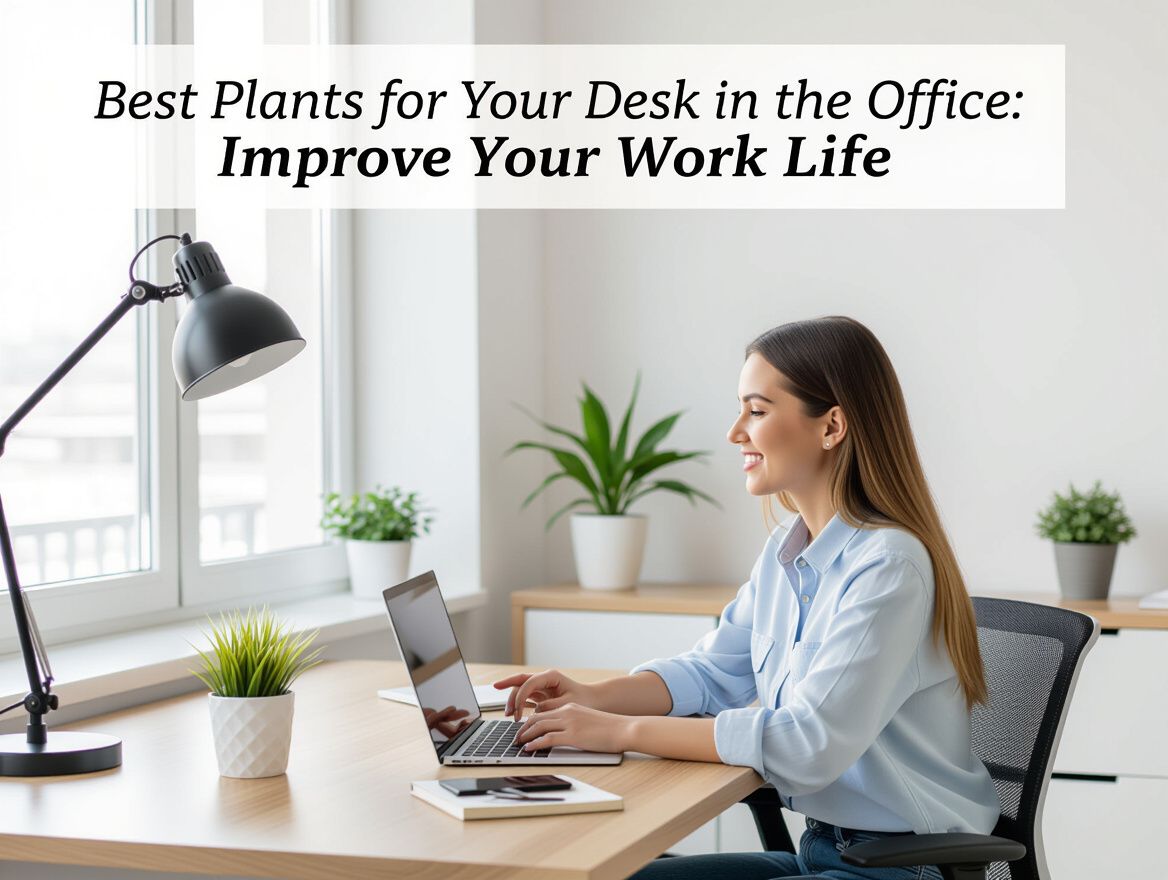
Why Choose Plants for Your Office Desk?
Incorporating plants into your office desk setup can significantly enhance both your workspace ambiance and productivity. Here are some key benefits to consider:
-
Stress Reduction: Studies have shown that the presence of plants can lower stress levels. The calming effect of greenery may help create a more relaxed atmosphere, allowing you to focus better on your tasks.
-
Improved Air Quality: Plants are natural air purifiers. They can absorb toxins and release oxygen, contributing to a healthier work environment. This can lead to fewer sick days and increased overall well-being.
-
Enhanced Productivity: Numerous studies suggest that having plants in your workspace can improve concentration and boost creativity. The visual appeal of greenery can also make the workspace more inviting, potentially increasing motivation and job satisfaction.
When choosing plants for your office desk, it’s essential to consider factors such as the amount of natural light available, your maintenance preferences, and the overall aesthetic you want to achieve. Balancing these elements will help you select the right plants that not only beautify your space but also support your work performance.
Key Criteria for Selecting Office Desk Plants
When choosing plants for your office desk, several essential factors can significantly influence both the aesthetic appeal and productivity of your workspace. Here’s a checklist to guide your selection:
-
Light Requirements: Assess the natural light available at your desk. Different plants have varying light needs, from low-light tolerant options to those that thrive in bright, indirect sunlight. Understanding this will help you select a plant that can flourish in your specific environment.
-
Space Constraints: Consider the size of your desk and the available space. Compact plants are ideal for smaller desks, while larger varieties may overwhelm a limited workspace. Ensure you choose a plant that fits comfortably without cluttering your area.
-
Maintenance Level: Evaluate how much time and effort you can dedicate to plant care. Some plants require regular watering and pruning, while others are low-maintenance and can thrive with minimal attention. Be honest about your availability to prevent frustration and ensure your plant remains healthy.
-
Aesthetic Appeal: Think about the visual impact you want to create. Different plants offer distinct shapes, colors, and textures that can enhance your workspace's ambiance. Choose plants that not only fit your style but also contribute positively to your overall work environment.
By considering these criteria, you can make an informed decision that enhances your workspace while promoting productivity and well-being.
Understanding Trade-offs in Plant Selection
Selecting plants for your office desk involves evaluating various trade-offs that can significantly impact your workspace's ambiance and productivity. Here are key considerations to help you make informed decisions:
Low-light vs. High-light Plants
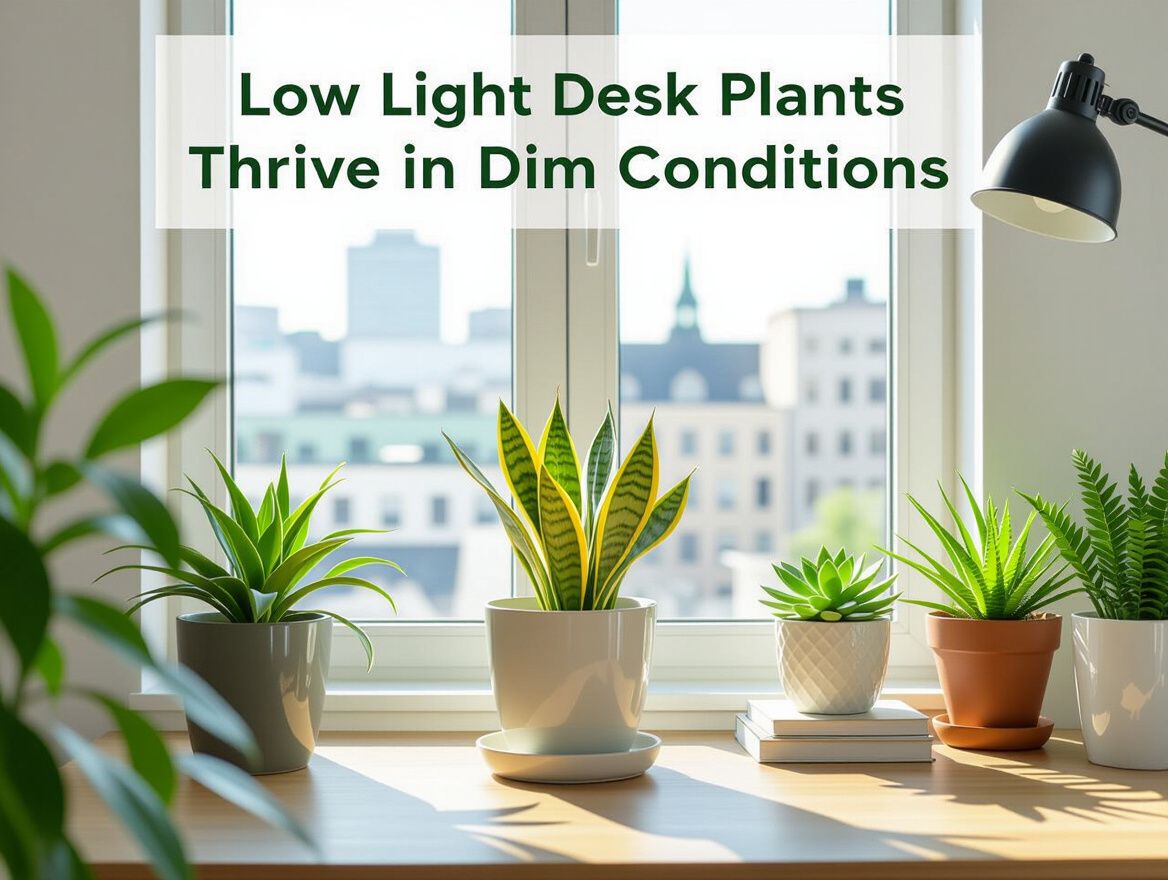
- Low-light plants are ideal for spaces with limited natural light, such as cubicles or offices with small windows. They require less sunlight, making them easier to care for in dim conditions.
- High-light plants thrive in bright environments and can enhance the aesthetic appeal of well-lit spaces. However, they may not adapt well to low-light settings, which can lead to poor growth or plant stress.
Size vs. Desk Space
- Small plants such as succulents or mini ferns can fit neatly on a desk without overwhelming the workspace. They are perfect for limited areas but may not provide the same visual impact as larger plants.
- Larger plants can serve as focal points and improve air quality, but they require more space and may obstruct workflow if not positioned thoughtfully.
Maintenance vs. Resilience
- Low-maintenance plants like pothos or snake plants are suitable for busy professionals who may forget to water regularly. These plants are resilient and can tolerate neglect, making them ideal for office settings.
- Higher-maintenance plants may require specific watering schedules, humidity levels, or grooming. While they can be rewarding to care for, they might not be the best choice for individuals who prefer a more hands-off approach.
Conclusion
Understanding these trade-offs will guide you in selecting the right plants that enhance your workspace while aligning with your lifestyle and desk environment. Balancing factors like light requirements, size, and maintenance needs will ultimately lead to a more productive and pleasant office atmosphere.
Limitations and Risks of Office Desk Plants
While incorporating plants at your office desk can enhance ambiance and productivity, there are several limitations and risks to consider before making a selection. Being aware of these factors can help you make informed choices that suit your workspace and personal needs.
Allergies
Some individuals may experience allergic reactions to specific plants, particularly those with strong fragrances or pollen. Common symptoms include sneezing, skin irritation, or respiratory issues. If you or your coworkers have known sensitivities, it's crucial to select hypoallergenic plants or consult with your team before introducing greenery.
Pest Attraction
Plants can attract pests such as aphids, spider mites, and fungus gnats, which may spread to other desk areas or even to neighboring plants. Regular monitoring and maintenance are essential to prevent infestations. Opting for pest-resistant varieties or maintaining a clean environment can help mitigate this risk.
Watering Issues
Improper watering can lead to overwatering or underwatering, both of which can harm your plants. Overwatered plants may develop root rot, while underwatered plants can wilt and die. Establishing a consistent watering schedule and choosing low-maintenance plants can alleviate some of this burden, but it’s essential to remain vigilant about their needs.
By understanding these limitations and risks, you can better evaluate which plants might be suitable for your office desk, ensuring a healthier and more enjoyable workspace.
Frequently Asked Questions About Office Desk Plants
When considering the addition of plants at your office desk, it's common to have questions about their care and impact. Here are some frequently asked questions to help you make informed decisions.
What are the best plants for low light?
If your workspace has limited natural light, consider these plants that thrive in low-light conditions:
- Snake Plant: Hardy and requires minimal care.
- ZZ Plant: Tolerates neglect and low light well.
- Pothos: Adaptable and can grow in various light conditions, including low light.
How often should I water my desk plants?
Watering frequency depends on the type of plant and environmental conditions. Here are some general guidelines:
- Low-light plants: Typically need less frequent watering; check the soil moisture before watering.
- Succulents: Require watering every 1-2 weeks, allowing the soil to dry out between waterings.
- Ferns: Prefer consistently moist soil, so check weekly.
Can plants improve focus and productivity?
Research suggests that incorporating greenery into your workspace can enhance focus and productivity by:
- Reducing stress levels, leading to a more conducive work environment.
- Improving air quality, which can positively impact cognitive function.
- Providing a visually pleasing atmosphere that can inspire creativity.
By considering these factors, you can select the right plants to enhance your workspace ambiance and productivity effectively.
Final Thoughts on Choosing Plants for Your Office Desk
Selecting the right plants for your office desk is more than just a decorative choice; it plays a crucial role in enhancing your workspace ambiance and productivity. Here’s a recap of why thoughtful selection is essential:
-
Ambiance and Aesthetics: The right plants can transform your workspace into a more inviting and vibrant environment. Consider your personal style and how different plants will complement your desk setup.
-
Health and Well-being: Plants can improve air quality and reduce stress, contributing to a healthier work environment. Choosing low-maintenance varieties can alleviate the pressure of care, allowing you to enjoy the benefits without added stress.
-
Productivity Boost: Studies suggest that the presence of greenery can enhance focus and creativity. When selecting plants, think about how they can inspire and motivate you throughout your workday.
As you consider your options, be mindful of the following criteria:
-
Light Conditions: Assess the natural light available at your desk. Some plants thrive in bright light, while others prefer low-light conditions.
-
Maintenance Needs: Evaluate how much time you can dedicate to plant care. Opt for varieties that align with your maintenance preferences.
-
Space Limitations: Take into account the size of your desk and the dimensions of the plants. Ensure they fit comfortably without overcrowding your workspace.
By weighing these factors, you can make a more informed choice that not only beautifies your office desk but also enhances your overall work experience.