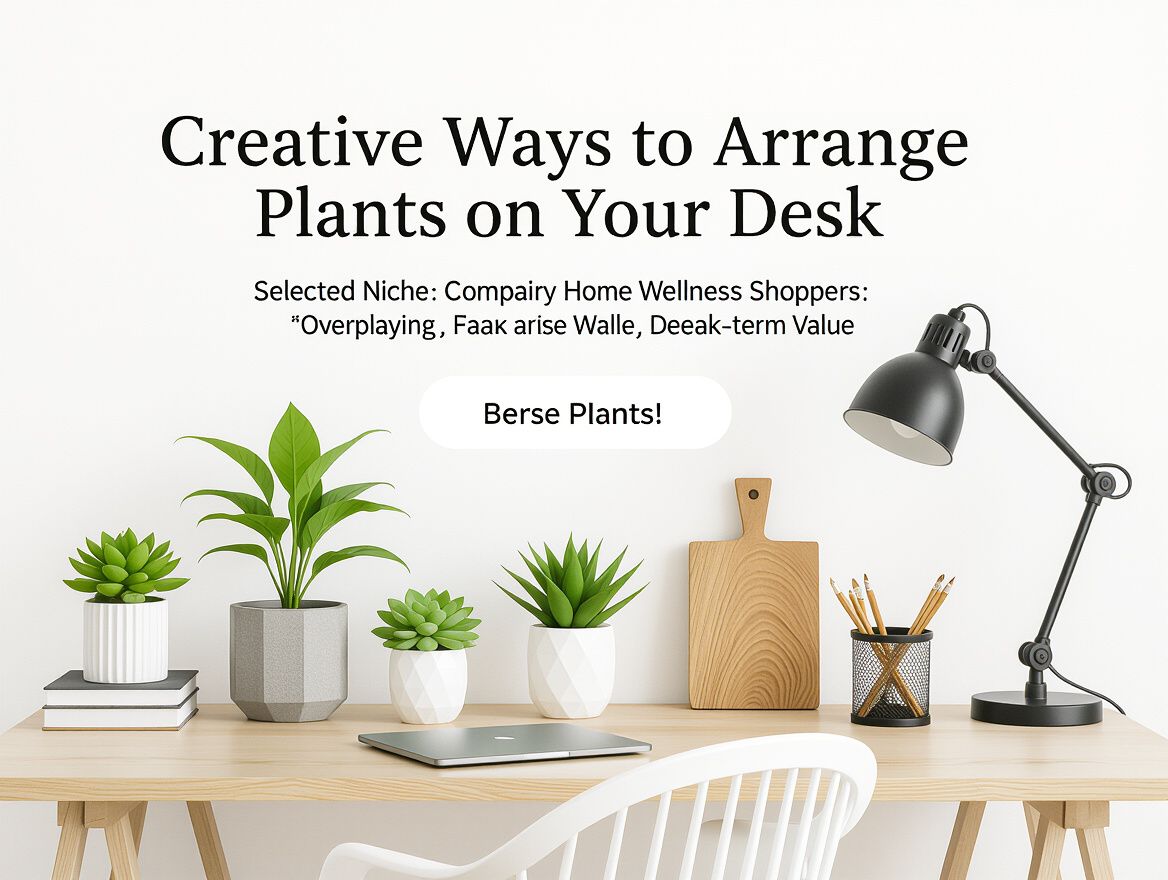
Creative Ways to Arrange Plants on Your Desk
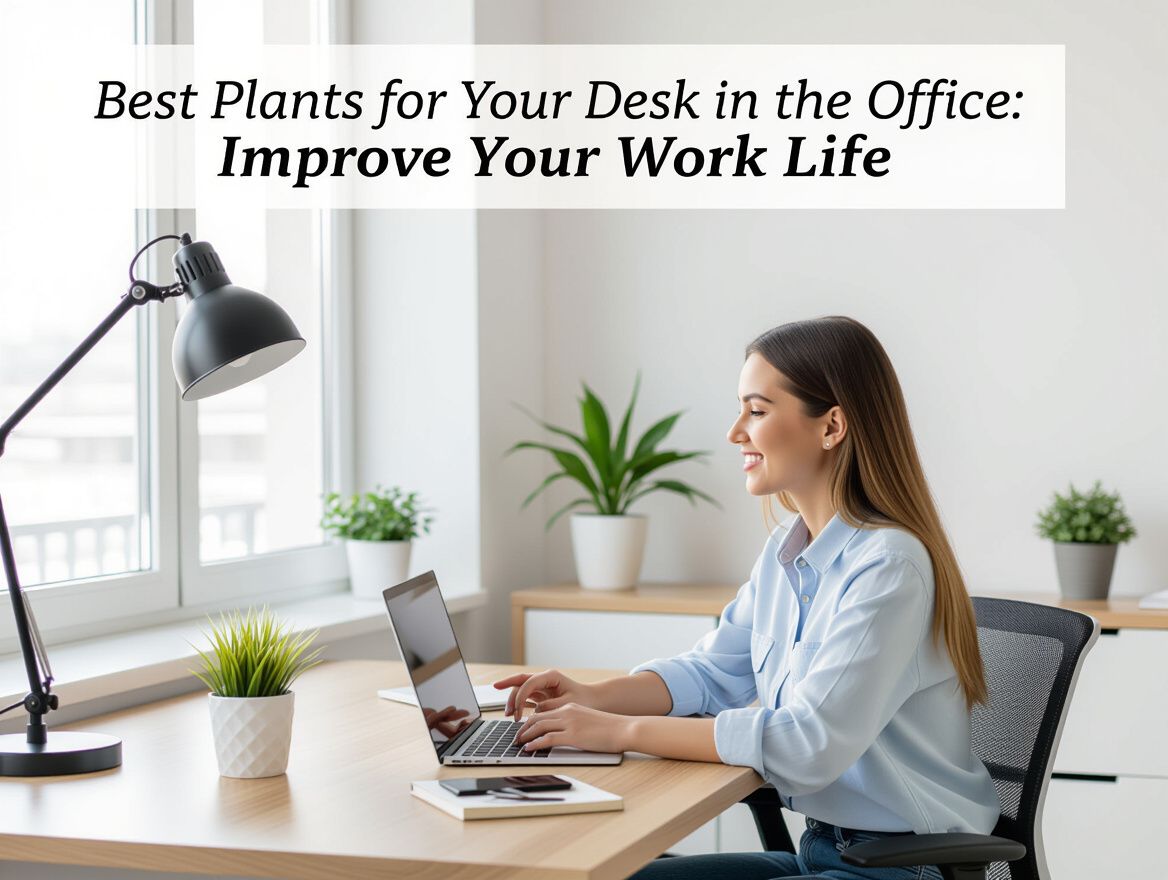
The Benefits of Having Plants on Your Desk
Incorporating plants into your desk setup can significantly enhance both your workspace aesthetics and productivity. Here are some compelling benefits to consider:
-
Air Quality Improvement: Plants are known for their ability to filter toxins and improve indoor air quality, making your workspace healthier. Cleaner air can lead to better focus and overall well-being.
-
Stress Reduction: The presence of greenery has been shown to reduce stress levels. A few plants on your desk can create a calming environment, helping to alleviate feelings of anxiety during busy workdays.
-
Aesthetic Appeal: A well-arranged plant display can elevate the visual appeal of your desk, making your workspace more inviting. This can contribute to a positive mood and boost creativity.
-
Increased Productivity: Studies suggest that having plants nearby can enhance concentration and productivity. The natural beauty of plants can inspire creativity and motivate you throughout the day.
As you think about enhancing your workspace, consider how these benefits align with your personal and professional needs. The right plants can transform your desk into a more enjoyable and productive space.
Choosing the Right Plants for Your Desk
When selecting plants for your desk, it's essential to consider various factors that will ensure your greenery thrives in your workspace. Here’s a checklist to guide your decision-making process:
Criteria for Selection
-
Light Availability: Assess the natural light your desk receives. Plants like succulents and pothos thrive in bright light, while snake plants and ZZ plants can tolerate lower light conditions.
-
Maintenance Level: Determine how much time you can dedicate to plant care. Low-maintenance options like cacti and spider plants require minimal attention, whereas more delicate plants may need regular watering and specific humidity levels.
-
Size Constraints: Evaluate the space available on your desk. Smaller plants, such as mini succulents or air plants, fit well in tight spaces, while larger plants like fiddle leaf figs may require more room and could be better suited for a corner of your office.
Common Desk Plants That Thrive in Office Environments
- Pothos: Known for its adaptability and trailing vines, it’s perfect for hanging or placing on shelves.
- Snake Plant: A hardy plant that requires little light and water, making it ideal for busy professionals.
- ZZ Plant: Tolerates neglect and low light, perfect for those who may forget to water regularly.
- Spider Plant: Easy to care for and great for air purification, this plant can also produce baby plants, adding to your collection over time.
By evaluating these criteria, you can choose desk plants that not only enhance the aesthetic of your workspace but also fit your lifestyle and care capabilities.
Creative Arrangements for Desk Plants
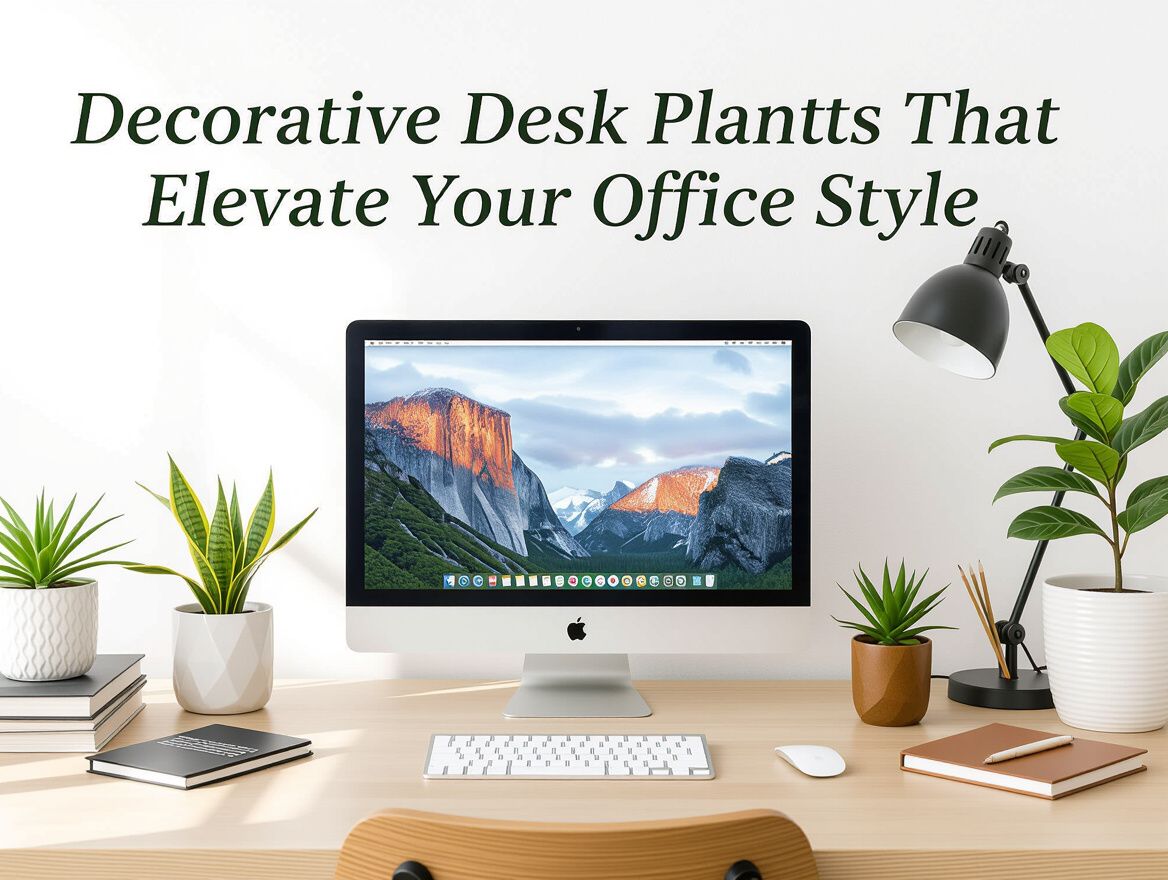
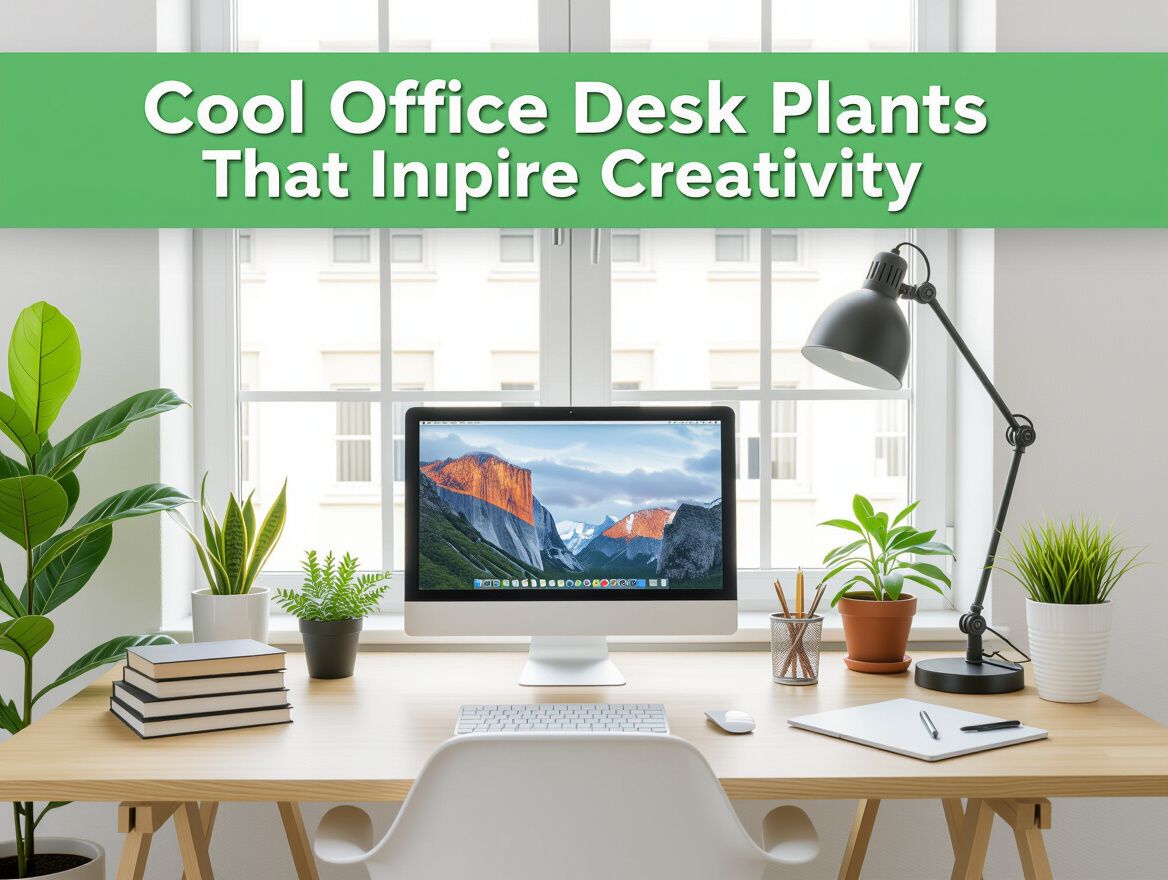
Incorporating plants into your desk setup can significantly enhance both the aesthetic appeal and productivity of your workspace. To make the most of your plants on desk, consider these innovative arrangements that maximize space utilization and create a cohesive look.
Vertical Arrangements
Utilizing vertical space is a smart way to incorporate plants without taking up too much desk surface. Here are some ideas for vertical arrangements:
- Wall-mounted Shelves: Install shelves above your desk to display trailing plants like pothos or string of hearts. This not only saves desk space but also adds layers to your decor.
- Hanging Planters: Use ceiling hooks or wall brackets to hang planters. This arrangement can create an eye-catching focal point while allowing plants to cascade down.
Grouping Plants
Grouping plants can create a lush, vibrant atmosphere. Here are tips for effective grouping:
- Vary Heights: Combine plants of different heights to create visual interest. Taller plants like snake plants can be paired with shorter ones like succulents.
- Color Coordination: Select plants with complementary foliage colors to enhance the overall aesthetic. For instance, mix dark green leaves with lighter shades or variegated varieties for contrast.
Using Plant Stands
Plant stands can elevate your greenery and contribute to a more organized desk. Consider the following:
- Multi-tiered Stands: These allow you to display multiple plants at varying heights, making a striking statement. Place the stand in a corner or near a window for optimal sunlight.
- Mobile Carts: If you frequently rearrange your workspace, consider a rolling plant cart. This provides flexibility in your setup while keeping plants easily accessible.
Creating a Cohesive Look
To tie your plants and desk accessories together, follow these tips:
- Consistent Planter Styles: Choose planters that share a common theme, such as color or material, to create a unified look.
- Incorporate Accessories: Use desk accessories in similar colors or materials to your planters. For example, if your planters are ceramic, consider ceramic desk organizers that match.
By thoughtfully arranging plants on your desk with these creative methods, you can cultivate a workspace that not only looks good but also promotes a productive atmosphere.
Understanding the Trade-offs of Desk Plants
Incorporating plants into your workspace can significantly enhance your environment, but it’s essential to consider the potential downsides and trade-offs. Here’s a breakdown of key factors to weigh before adding greenery to your desk.
-
Maintenance Requirements: Different plants have varying care needs. While some may require frequent watering and specific light conditions, others can thrive on minimal attention. Assess your willingness and ability to maintain these plants over time.
-
Potential Allergens: Certain plants can trigger allergies in sensitive individuals. Be mindful of plant types that may cause reactions, such as those that produce pollen or strong scents. Consider opting for hypoallergenic varieties if allergies are a concern in your workspace.
-
Space Limitations: Desk space can be limited, and larger plants may encroach on your work area. Evaluate your desk size and layout to ensure that the plants you choose won’t obstruct your workflow or create clutter.
-
Light Conditions: Not all plants thrive in the same lighting conditions. If your workspace has limited natural light, you’ll need to select plants that can adapt to lower light levels. This consideration can limit your options but is crucial for plant health.
-
Impact on Productivity: While plants can enhance aesthetics and potentially improve air quality, they may also become a distraction if not positioned thoughtfully. Balance the visual appeal with your need for focus and productivity in your workspace.
Before making a decision, take the time to weigh these trade-offs against the benefits of having plants on your desk. This careful evaluation will help you select the right greenery that aligns with your workspace needs and personal preferences.
Finding the Right Fit: Plant Styles and Desk Types
When incorporating plants on your desk, it's essential to consider how different desk styles influence plant selection. The aesthetic and functional characteristics of your workspace can help determine which plants will thrive and enhance your environment. Here’s a comparison of various desk styles and suitable plant types for each.
Modern Desks
- Characteristics: Sleek lines, minimalistic design, often made of metal or glass.
- Ideal Plants:
- Snake Plant: Its upright leaves complement the clean lines of modern furniture.
- ZZ Plant: Known for its glossy leaves, it fits well in contemporary settings and requires minimal care.
Traditional Desks
- Characteristics: Classic designs, often made of wood with ornate details.
- Ideal Plants:
- Peace Lily: Its elegant white blooms add a touch of sophistication and thrive in various lighting conditions.
- Ferns: Their lush foliage can soften the hard edges of traditional wooden desks.
Minimalist Desks
- Characteristics: Simple, clutter-free, with a focus on functionality.
- Ideal Plants:
- Cacti: Their low-maintenance nature and unique shapes align with minimalist aesthetics.
- Pothos: This trailing plant adds greenery without overwhelming the space, perfect for shelves or hanging planters.
Trade-offs to Consider
- Space Limitations: Ensure the plant size fits comfortably on your desk without crowding your workspace.
- Light Requirements: Match plant choices with the natural light available in your workspace to promote healthy growth.
- Maintenance Needs: Consider how much time you can devote to plant care; some plants require more attention than others.
By evaluating your desk style alongside these plant options, you can create an inviting and productive workspace that reflects your personal taste while enhancing your environment.
Frequently Asked Questions About Desk Plants
When considering adding plants to your desk, you may have several questions regarding their care, compatibility with office environments, and common issues. Here are some frequently asked questions to help guide your decisions.
What types of plants are best for a desk environment?
Choosing the right plants for your desk depends on several factors, such as lighting conditions and maintenance preferences. Low-maintenance options like succulents or snake plants thrive in various lighting and require minimal care, making them ideal for busy professionals.
How do I care for desk plants?
Care requirements vary by plant type, but here are some general tips:
- Watering: Ensure you water according to the plant’s needs. Overwatering is a common mistake; always check the soil moisture before adding more water.
- Light: Position your plants according to their light requirements. Some plants prefer indirect sunlight, while others thrive in bright light.
- Humidity: Consider the humidity level in your office. Some plants, like ferns, prefer more humidity than typical office settings provide.
Are desk plants suitable for allergy sufferers?
While many people enjoy the benefits of desk plants, it's essential to consider potential allergies. Opt for hypoallergenic plants, such as bamboo palms or peace lilies, which are less likely to trigger allergic reactions. Always monitor your own reactions to new plants in your workspace.
What should I do if my desk plants start to wilt?
If your plants show signs of wilting, assess the following:
- Watering Issues: Check if the plant is overwatered or underwatered. Adjust your watering schedule accordingly.
- Lighting Conditions: Ensure the plant is receiving the appropriate amount of light. Move it closer to a window or into a brighter area if necessary.
- Pests: Inspect for pests that could be affecting plant health. Treat infestations promptly to prevent further damage.
How can I arrange multiple plants on my desk?
When arranging plants, consider the following:
- Size and Height: Mix plants of varying heights to create visual interest. Taller plants can serve as a backdrop for shorter ones.
- Containers: Use decorative pots that complement your desk aesthetic. Cohesive colors and materials can enhance the overall look.
- Accessibility: Ensure that your plants do not obstruct your workspace. Leave enough room for your essential items and tasks.
By addressing these common queries, you can confidently incorporate plants into your desk setup, enhancing both the aesthetic and functional aspects of your workspace.
Final Thoughts on Desk Plant Arrangements
Integrating plants into your desk setup is not just a trend; it's a transformative approach to enhancing your workspace. The benefits of having plants on your desk extend beyond aesthetics, contributing to improved air quality, reduced stress, and increased productivity. By thoughtfully arranging plants, you can create a personalized environment that reflects your style and supports your work habits.
Key Considerations for Your Desk Plant Arrangement:
-
Space Availability: Assess the size of your desk and choose plants that fit comfortably without overcrowding. Consider vertical arrangements or hanging plants if space is limited.
-
Light Conditions: Understand the lighting in your workspace. Some plants thrive in bright light, while others prefer lower light conditions. Choose accordingly to ensure your plants flourish.
-
Maintenance Needs: Consider how much time you can dedicate to plant care. Low-maintenance plants can be ideal for busy professionals, while those who enjoy gardening may opt for more demanding varieties.
-
Personal Style: Select plants that resonate with your personal aesthetic. Whether you prefer a minimalist look or a lush, vibrant display, the right plants can enhance your workspace's character.
As you explore the creative possibilities of desk plant arrangements, remember that personalization is key. Experiment with different layouts, combinations, and types of plants to find what works best for you. By starting your journey with desk plants, you’re not only beautifying your workspace but also investing in your well-being and productivity. Embrace the green and let your desk reflect your unique style and needs!