Good Desk Plants for Every Office Environment
Why Choose Desk Plants?
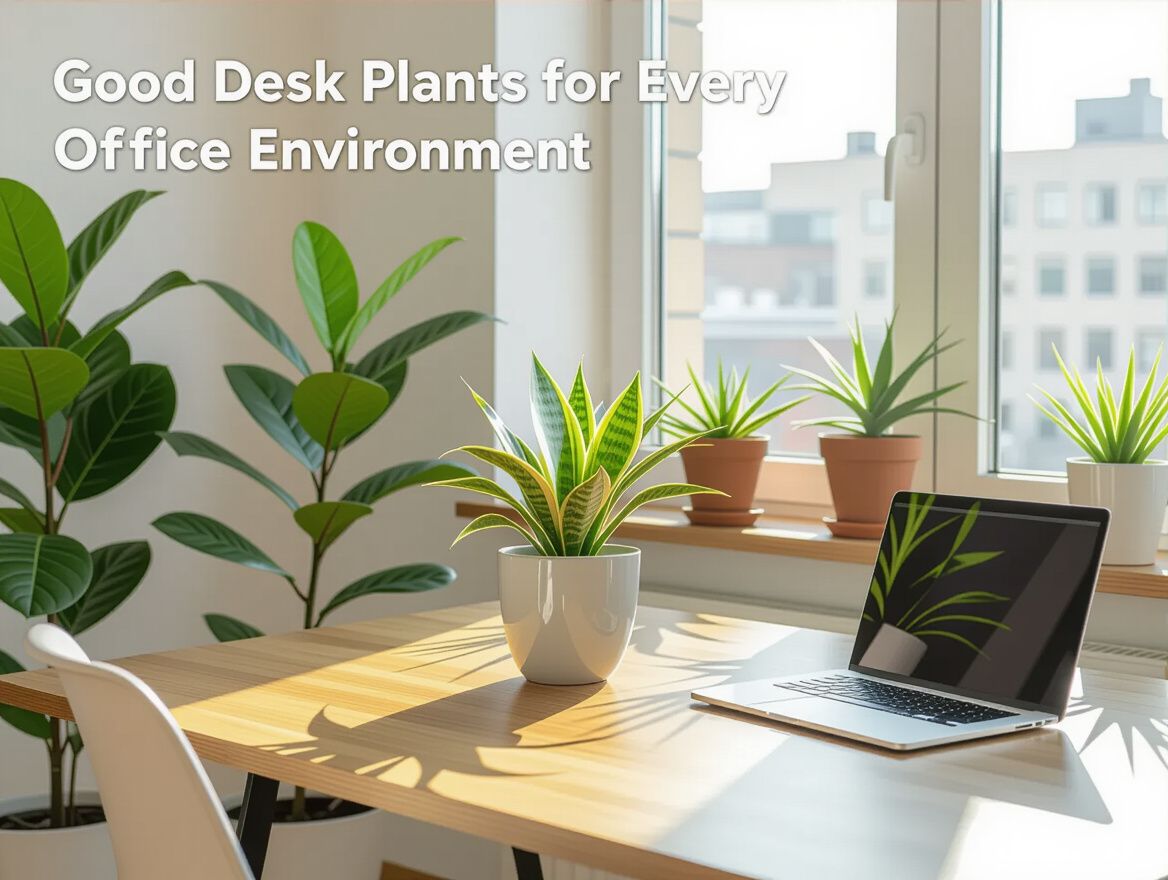
Incorporating desk plants into your workspace can significantly enhance both the aesthetic appeal and overall environment of your office. The presence of greenery has been linked to improved mood and productivity, providing a refreshing contrast to the often sterile atmosphere of office settings.
Benefits of Desk Plants:
-
Mood Enhancement: Studies suggest that plants can reduce stress and anxiety levels, contributing to a more positive work atmosphere. The act of caring for a plant can also foster a sense of responsibility and accomplishment, which can be beneficial in a work environment.
-
Increased Productivity: Research indicates that the presence of plants can lead to higher levels of concentration and creativity. A greener workspace can stimulate cognitive function, making it easier to focus on tasks and solve problems.
-
Air Quality Improvement: Many indoor plants are known for their air-purifying qualities. They can help filter out toxins and increase humidity, contributing to a healthier workspace. This can be particularly important in enclosed office environments where air circulation may be limited.
Choosing the right desk plants involves considering your specific office conditions, such as light availability and maintenance requirements. By selecting low-maintenance plants that thrive in your workspace, you can enjoy the benefits of greenery without the added stress of complex care routines.
Criteria for Choosing the Right Desk Plants
Selecting the ideal desk plants involves considering several key factors that align with your workspace conditions and personal preferences. Each criterion will help ensure that your chosen plants thrive while enhancing the aesthetics and air quality of your office environment.
-
Light Requirements: Assess the natural light available in your workspace.
- Low-Light Plants: Ideal for dimly lit offices, these plants can survive on minimal sunlight. Examples include snake plants and pothos.
- Bright-Light Plants: If your desk receives ample sunlight, consider plants like succulents or cacti that thrive in bright environments.
-
Maintenance Level: Determine how much time you can dedicate to plant care.
- Easy-Care Plants: Look for varieties that require minimal watering and care, such as ZZ plants or peace lilies.
- High-Care Plants: If you enjoy gardening and can commit to regular upkeep, consider plants that may need more attention, like orchids or fiddle leaf figs.
-
Size Considerations: Evaluate the space available on your desk.
- Small Plants: Perfect for limited space, these can fit snugly on a desk without overwhelming it. Consider options like mini succulents or small ferns.
- Larger Plants: If you have more room, larger plants can serve as statement pieces, but ensure they don’t obstruct your workspace or light.
By carefully considering these criteria, you can select desk plants that not only enhance your workspace but also fit seamlessly into your lifestyle and office environment.
Popular Desk Plants and Their Features
Selecting the right desk plants can significantly enhance the aesthetics and air quality of your workspace. Here’s an analysis of some popular low-maintenance desk plants, detailing their unique features and care requirements to help you make an informed choice based on your office environment.
Pothos (Epipremnum aureum)
- Light Requirements: Thrives in low to bright indirect light, making it versatile for various office settings.
- Watering: Allow the top inch of soil to dry out between waterings; this plant is forgiving of occasional neglect.
- Benefits: Known for its air-purifying properties, Pothos can remove toxins like formaldehyde and benzene from the air.
- Aesthetics: Its trailing vines can add a touch of greenery and elegance to your desk, making it visually appealing.
Snake Plant (Sansevieria trifasciata)
- Light Requirements: Adaptable to low light but grows best in indirect light; perfect for offices with limited natural light.
- Watering: Very drought-resistant; water every few weeks, allowing the soil to dry out completely between waterings.
- Benefits: Effective at improving air quality and releasing oxygen at night, making it a great choice for a healthier workspace.
- Aesthetics: With its upright, sword-like leaves, the Snake Plant offers a modern and sleek look.
Spider Plant (Chlorophytum comosum)
- Light Requirements: Prefers bright, indirect sunlight but can tolerate lower light conditions.
- Watering: Water when the top inch of soil is dry; it enjoys humidity but is quite resilient.
- Benefits: Excellent at removing indoor pollutants and is known for its ability to produce "pups," or baby plants, which can be propagated.
- Aesthetics: Its arching leaves and cascading growth pattern can create a lively and dynamic appearance on your desk.
Considerations for Selection
When choosing desk plants, consider the following factors based on your specific office conditions:
- Light Availability: Assess how much natural light your workspace receives to select plants that will thrive.
- Space Constraints: Ensure the plant size fits your desk area without overcrowding your workspace.
- Maintenance Level: Choose plants that match your care routine; some may require more attention than others.
By understanding the care requirements and characteristics of these popular desk plants, you can confidently enhance your workspace while ensuring a suitable fit for your office environment.
Trade-offs and Considerations
When selecting good desk plants, it's essential to weigh the potential downsides and considerations that may impact your workspace. Understanding these trade-offs can help you make informed decisions that align with your office environment and personal preferences.
-
Allergies and Toxicity Concerns: Some desk plants can trigger allergies or pose toxicity risks, particularly to pets. Before choosing a plant, research its potential effects on your health and that of your colleagues or pets. Common plants like pothos and philodendron, while popular, can be harmful if ingested.
-
Space Limitations: In smaller work areas, the size and growth habits of plants can be a significant consideration. Choose plants that won't overcrowd your desk or obstruct your workflow. Compact varieties, such as succulents or small ferns, are often ideal for tight spaces.
-
Watering and Maintenance Challenges: Low-maintenance plants are typically preferred for busy office settings, but it's crucial to understand each plant's specific care requirements. Overwatering or neglecting to water can lead to plant stress or death. Evaluate your ability to maintain the plant's needs, including light, humidity, and watering frequency, to ensure a thriving workspace companion.
By considering these factors, you can select desk plants that not only enhance your workspace aesthetics but also fit well within your specific office conditions and lifestyle.
Frequently Asked Questions
When considering good desk plants for your workspace, it's common to have questions about their care and suitability. Here are some answers to frequently asked questions that can help guide your selection.
What are the best plants for low light?
If your office space lacks natural light, consider these low-light-friendly options:
- Snake Plant: Known for its resilience, it can thrive in low light and requires minimal watering.
- Pothos: This trailing plant adapts well to various light conditions and is easy to propagate.
- ZZ Plant: Extremely hardy, the ZZ plant tolerates neglect and low light, making it ideal for busy office environments.
How often should I water my desk plants?
Watering frequency depends on the type of plant and environmental conditions. Here are some general guidelines:
- Succulents and Cacti: Water every 2-3 weeks, allowing the soil to dry out completely between waterings.
- Ferns and Tropical Plants: These may require more frequent watering, approximately once a week, ensuring the soil remains moist but not soggy.
- Low-Maintenance Plants: Many low-maintenance options, like snake plants and pothos, can go longer without water; check the soil moisture before watering.
Are there any plants that purify air effectively?
Yes, certain plants are known for their air-purifying qualities. Some of the most effective options include:
- Spider Plant: Recognized for its ability to remove pollutants like formaldehyde and xylene from the air.
- Peace Lily: Not only beautiful, but it also filters out harmful chemicals and improves humidity levels.
- Areca Palm: This plant is great for humidifying the air and removing toxins, making it suitable for office settings.
By understanding these key aspects, you can make an informed decision when selecting good desk plants that will thrive in your specific office environment.
Final Thoughts on Selecting Desk Plants
Incorporating good desk plants into your workspace can significantly enhance both aesthetics and air quality. These plants not only beautify your environment but also contribute to a healthier atmosphere, making them an ideal choice for office workers and remote employees alike.
When selecting the right desk plants for your situation, consider the following key points:
-
Maintenance Level: Choose plants that align with your care capabilities. Low-maintenance varieties like succulents or snake plants are perfect for busy schedules.
-
Light Conditions: Assess the natural light available in your workspace. Some plants thrive in bright light, while others prefer low-light conditions, so select accordingly to ensure your plants flourish.
-
Space Availability: Evaluate your desk size and layout. Smaller plants or those with vertical growth habits can work well in limited spaces without overwhelming your workspace.
-
Personal Preference: Consider your aesthetic preferences and the mood you wish to create. Whether you prefer vibrant colors or subtle greens, there’s a plant that fits every style.
Ultimately, taking the time to match your desk plant choices with your specific office conditions and personal preferences will lead to a more enjoyable and productive workspace. Embrace the benefits that good desk plants offer, and curate a collection that brings joy and health to your environment.