Comparing Computer Desks and Standing Desks: Which is Right for You?
Understanding the Importance of Choosing the Right Desk
As remote work becomes increasingly common, the choice of desk plays a critical role in both health and productivity. The right desk can significantly affect your posture, comfort, and overall work efficiency, making it essential to understand the differences between computer desks and standing desks.
Key Considerations
-
Ergonomics: Both types of desks offer unique ergonomic benefits. Computer desks typically promote a seated position, which can lead to prolonged sitting. In contrast, standing desks encourage movement and can help reduce the risks associated with a sedentary lifestyle.
-
Workspace Flexibility: Standing desks often come with adjustable height features, allowing users to switch between sitting and standing. This adaptability can cater to various tasks and personal preferences throughout the workday.
-
Health Benefits: Research indicates that using standing desks may reduce the risk of weight gain and obesity, lower blood sugar levels, and decrease the risk of heart disease. Conversely, computer desks may provide a more stable workspace for tasks requiring extended focus.
Trade-offs to Consider
-
Comfort vs. Mobility: A computer desk might offer better comfort for long periods of work, particularly if paired with an ergonomic chair. However, standing desks require an adjustment period and may lead to fatigue if not used correctly.
-
Cost Implications: Generally, standing desks tend to be more expensive due to their adjustable features. Buyers should weigh their budgets against the potential long-term health benefits of increased movement.
-
Space Requirements: Standing desks can require more physical space, especially if they include additional features like built-in storage or cable management. Consider your workspace size and layout before making a decision.
Understanding these aspects will help you make an informed choice that aligns with your work habits and health goals.
Key Differences Between Computer Desks and Standing Desks
When considering a desk for your home or office, understanding the distinctions between computer desks and standing desks is crucial. Each type has unique characteristics that cater to different needs and preferences, making it essential to evaluate their features carefully.
Structure and Design Differences
- Computer Desks: Typically designed for seated use, computer desks often feature a flat surface with a designated area for monitors, keyboards, and other peripherals. They may include built-in storage options like drawers or shelves.
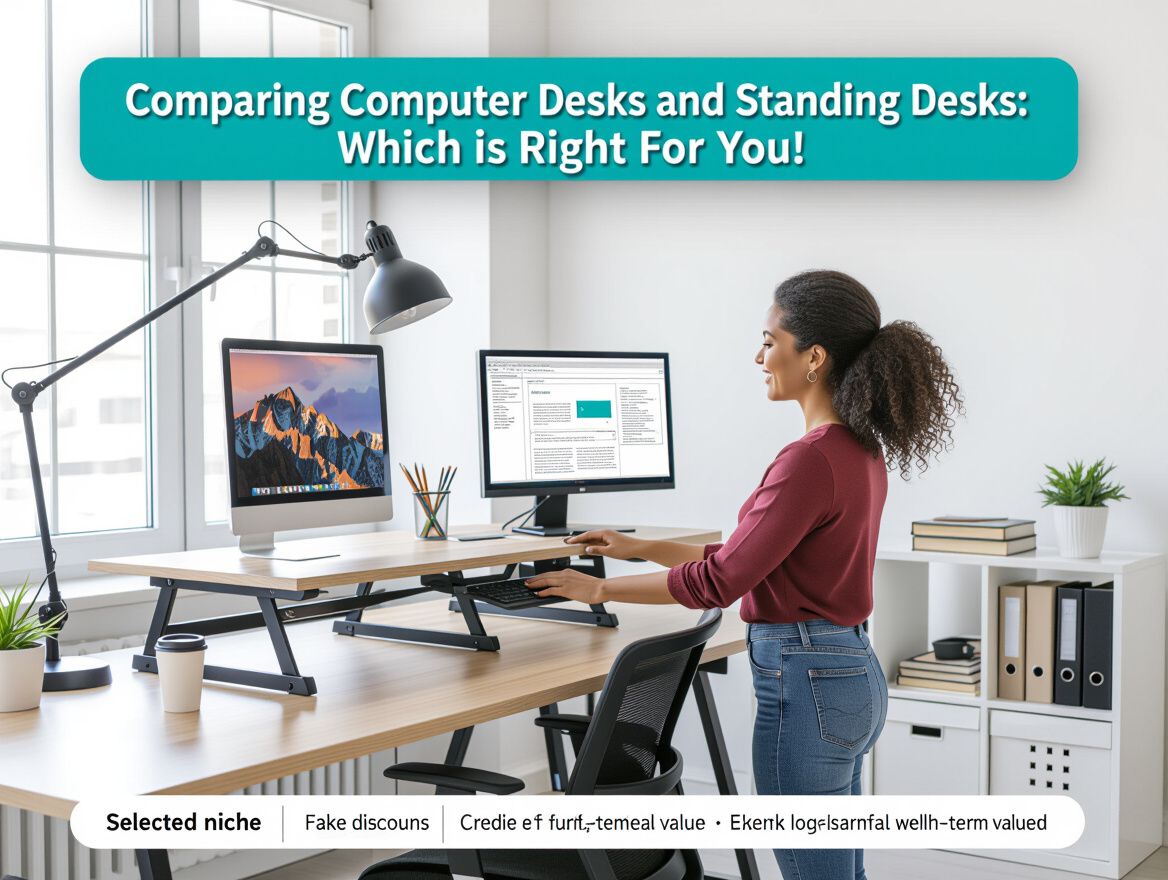
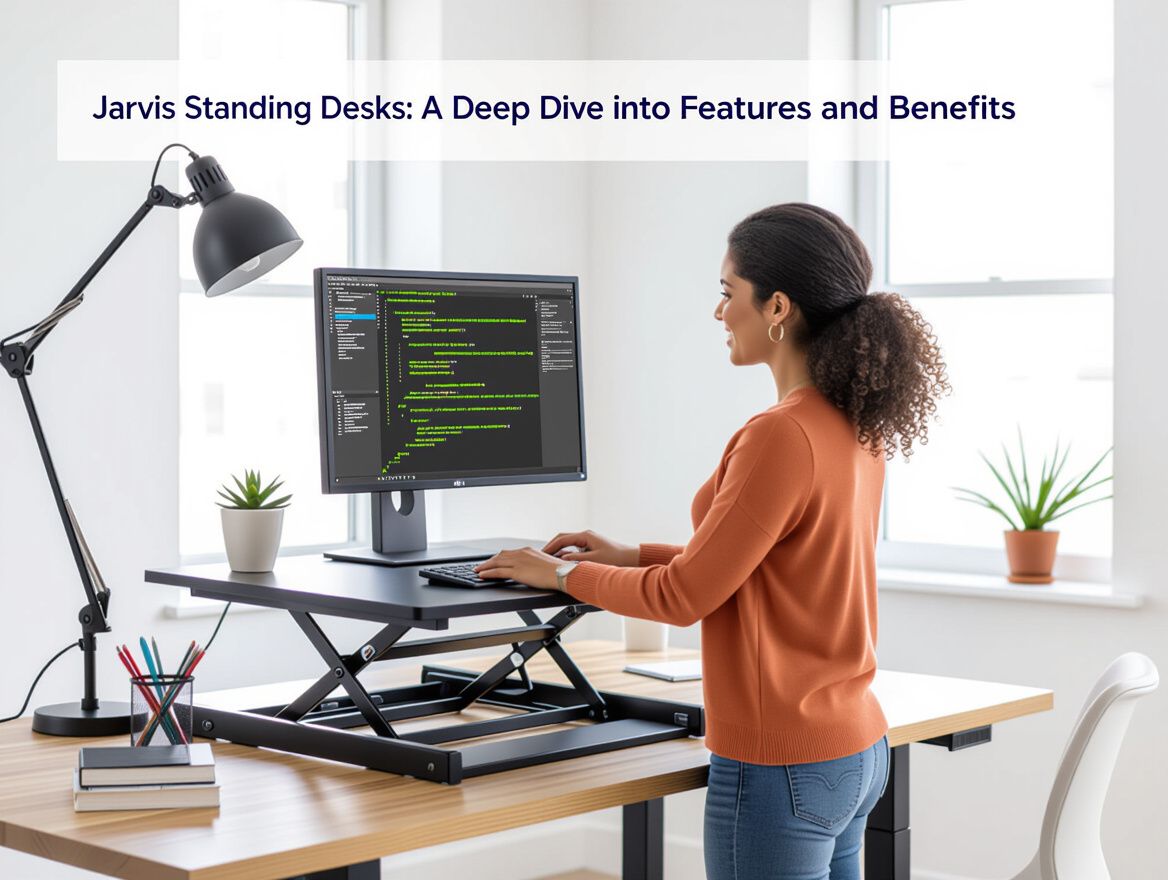
- Standing Desks: These desks are engineered to accommodate both sitting and standing positions, often featuring adjustable height settings. The design may prioritize stability and ease of adjustment, allowing users to switch between positions seamlessly.
Adjustability and Height Options
- Fixed Height: Most traditional computer desks come in a standard height, which may not suit everyone, particularly taller or shorter individuals.
- Adjustable Heights: Standing desks generally offer a range of height options, often through electric or manual mechanisms, enabling users to find their ideal ergonomic position whether sitting or standing.
Space Requirements and Aesthetics
- Space Considerations: Computer desks usually require less space than standing desks, making them a suitable choice for smaller rooms. However, the footprint of standing desks can vary based on their design and adjustability features.
- Aesthetic Appeal: Both desk types come in various styles and finishes. Computer desks may lean towards a more traditional office look, while standing desks often have a modern aesthetic, appealing to those who prioritize a contemporary workspace.
By weighing these differences, you can make a more informed decision that aligns with your workspace needs and personal preferences. Consider your specific requirements regarding ergonomics, space, and design to choose the best desk type for your situation.
Benefits of Standing Desks
Standing desks are increasingly popular as more individuals seek healthier work environments. Here are some key advantages that may help you decide if a standing desk is right for you:
-
Health Benefits: One of the most significant advantages of standing desks is their potential to reduce back pain and discomfort associated with prolonged sitting. Research suggests that alternating between sitting and standing can alleviate pressure on the spine and improve overall comfort.
-
Increased Energy Levels: Users often report feeling more energetic and alert when using standing desks. This boost in energy can be attributed to improved blood circulation and reduced fatigue, which may enhance your overall work experience.
-
Enhanced Productivity and Focus: Many standing desk users claim that standing while working helps them maintain focus and productivity. The act of standing can stimulate mental engagement, making it easier to tackle tasks without the lethargy that sometimes accompanies sitting for long periods.
-
Improved Posture: Standing desks encourage better posture by promoting a more upright position. This can lead to a reduction in neck and shoulder strain, common issues for those who spend hours at a traditional desk.
While standing desks offer these benefits, it's essential to consider your personal work habits and preferences. It's also worth noting that transitioning to a standing desk may require an adjustment period as your body adapts to the new working style.
Limitations of Standing Desks
While standing desks offer various health benefits, they also come with notable drawbacks that potential buyers should consider. Understanding these limitations can help you make a more informed decision about whether a standing desk is right for your workspace.
Potential for Fatigue and Discomfort
One of the most significant concerns with standing desks is the potential for fatigue. Prolonged standing can lead to discomfort in the legs, back, and feet. Users often report soreness and fatigue after extended periods of standing, which may counteract the intended benefits of increased energy and productivity.
Adjustment Period for Users
Switching from a traditional sitting desk to a standing desk often requires an adjustment period. Users may need time to adapt to standing for longer durations and find the right balance between sitting and standing. This transition can be challenging and may lead to initial discomfort or decreased productivity as you acclimate to the new setup.
Space Considerations in Smaller Offices
Standing desks can take up more space than traditional desks, particularly if they are adjustable. In smaller offices or home workspaces, finding a suitable location for a standing desk can be a challenge. The need for additional space may limit your options or necessitate compromises in your overall office layout.
Conclusion
When considering a standing desk, it's essential to weigh these limitations against the potential benefits. If you are prone to fatigue, have limited space, or are unsure about the adjustment period, these factors should heavily influence your decision. Making an informed choice will help ensure your new desk fits your work style and environment effectively.
Criteria to Consider When Choosing a Desk
When deciding between computer desks and standing desks, it’s essential to evaluate several key criteria to ensure you select the right option for your needs. Consider the following factors:
-
Height Adjustability and Ease of Use:
- If you opt for a standing desk, check its height adjustment range. A desk that easily transitions between sitting and standing can accommodate different users and preferences.
- Look for user-friendly mechanisms, whether manual cranks or electric motors, that allow seamless adjustments without hassle.
-
Material Quality and Durability:
- Assess the materials used in construction. Solid wood, metal frames, and high-quality laminates typically offer better durability and longevity compared to particleboard or cheaper plastics.
- Consider the desk’s weight capacity, especially if you plan to support multiple monitors or heavy equipment.
-
Budget Considerations and Warranty Options:
- Establish a budget that reflects the features you need without overspending. Remember that investing in a higher-quality desk can save money in the long run due to durability.
- Check warranty options. A solid warranty can provide peace of mind and indicate the manufacturer’s confidence in their product’s quality.
By carefully weighing these criteria, you can make a more informed decision that aligns with your work habits and space requirements.
Risks and Trade-offs in Desk Selection
Choosing between a computer desk and a standing desk involves navigating several risks and trade-offs that can significantly impact your experience and satisfaction. Understanding these factors can help you make a more informed decision that aligns with your specific needs.
Overestimating the Benefits of Standing Desks
While standing desks are often promoted for their health benefits, such as reducing sedentary behavior, it's crucial to recognize that these advantages can vary widely among individuals. Some potential pitfalls include:
- Fatigue and Discomfort: Prolonged standing can lead to fatigue, discomfort, and even musculoskeletal issues if not properly managed with ergonomic accessories.
- Adjustment Period: Transitioning to a standing desk may require an adjustment period, during which productivity could temporarily decline as you adapt to the new setup.
Trade-offs Between Cost and Features
When comparing computer desks and standing desks, consider the following trade-offs:
- Budget Constraints: Standing desks often come at a higher price point, especially those with advanced features like electric height adjustment. Assess whether the additional cost aligns with your budget and intended use.
- Feature Set: Evaluate the features that matter most to you. A basic computer desk may suffice for simple tasks, while a more sophisticated standing desk might be necessary for a dynamic work environment.
Importance of Ergonomics
Regardless of desk type, ergonomics should be a top priority:
- Proper Height and Positioning: Both desk types must be adjusted to your body’s dimensions to prevent strain. An improperly set desk can lead to discomfort and health issues over time.
- Complementary Accessories: Consider the need for additional ergonomic accessories, such as adjustable chairs or footrests, which can enhance comfort and support, especially if you opt for a standing desk.
By carefully weighing these risks and trade-offs, you can better navigate your options and select a desk that fits your lifestyle and work habits effectively.
Frequently Asked Questions about Desks
When choosing between computer desks and standing desks, potential buyers often have questions that can influence their decision. Here are some common inquiries:
What is the ideal height for a standing desk?
The ideal height for a standing desk typically allows your elbows to be at a 90-degree angle when typing. This often translates to desk heights ranging from 38 to 48 inches, depending on your individual height. Many adjustable standing desks offer a range of heights to accommodate different users, promoting ergonomic posture and comfort.
Can I use a standing desk for long periods?
While standing desks can be beneficial for reducing sedentary behavior, using one for extended periods can lead to fatigue or discomfort. It's generally recommended to alternate between sitting and standing throughout the day. Many users find a ratio of 1:1 or 2:1 (standing to sitting) to be effective, allowing for a balance that minimizes strain while maximizing movement.
Are standing desks worth the investment?
The value of a standing desk can vary based on personal needs and workspace requirements. Benefits such as improved posture, increased energy levels, and the potential for enhanced productivity may justify the cost for some individuals. However, it's essential to consider factors like budget, available space, and specific health needs before making a decision. Weighing these aspects against the features of computer desks can help clarify which option is a better fit for your lifestyle.
Making the Final Decision: Which Desk is Right for You?
Choosing between a computer desk and a standing desk ultimately depends on your personal needs and workspace dynamics. Both desk types come with distinct advantages and limitations that can significantly impact your work experience.
Recap of Benefits and Limitations
-
Computer Desks:
- Benefits: Provide a stable and comfortable environment for extended periods of sitting, especially when paired with ergonomic chairs. They are often more affordable and available in various styles to match your decor.
- Limitations: Encourage sedentary behavior, which can lead to health issues over time, including poor posture and decreased energy levels.
-
Standing Desks:
- Benefits: Promote movement and can help reduce the risks associated with prolonged sitting. Many models are adjustable, allowing users to alternate between sitting and standing, which can enhance comfort and productivity.
- Limitations: May require an adjustment period, leading to fatigue if not used properly. They can also be more expensive and may take up more space.
Consider Your Personal Needs
When making your decision, consider the following aspects:
-
Work Style: Reflect on how you work best. If you often engage in tasks requiring focus and concentration, a computer desk may suit you better. Conversely, if you prefer to move around or have tasks that benefit from standing, a standing desk could be more appropriate.
-
Health Considerations: If you have existing health issues related to prolonged sitting, a standing desk might be beneficial. However, ensure you are prepared to manage the potential fatigue associated with standing for long periods.
-
Workspace: Evaluate the size and layout of your workspace. Ensure whichever desk you choose fits comfortably without overcrowding your area.
Ultimately, weigh these factors to make an informed decision that aligns with your work habits, health goals, and space constraints.
More in Standing Desks
View All